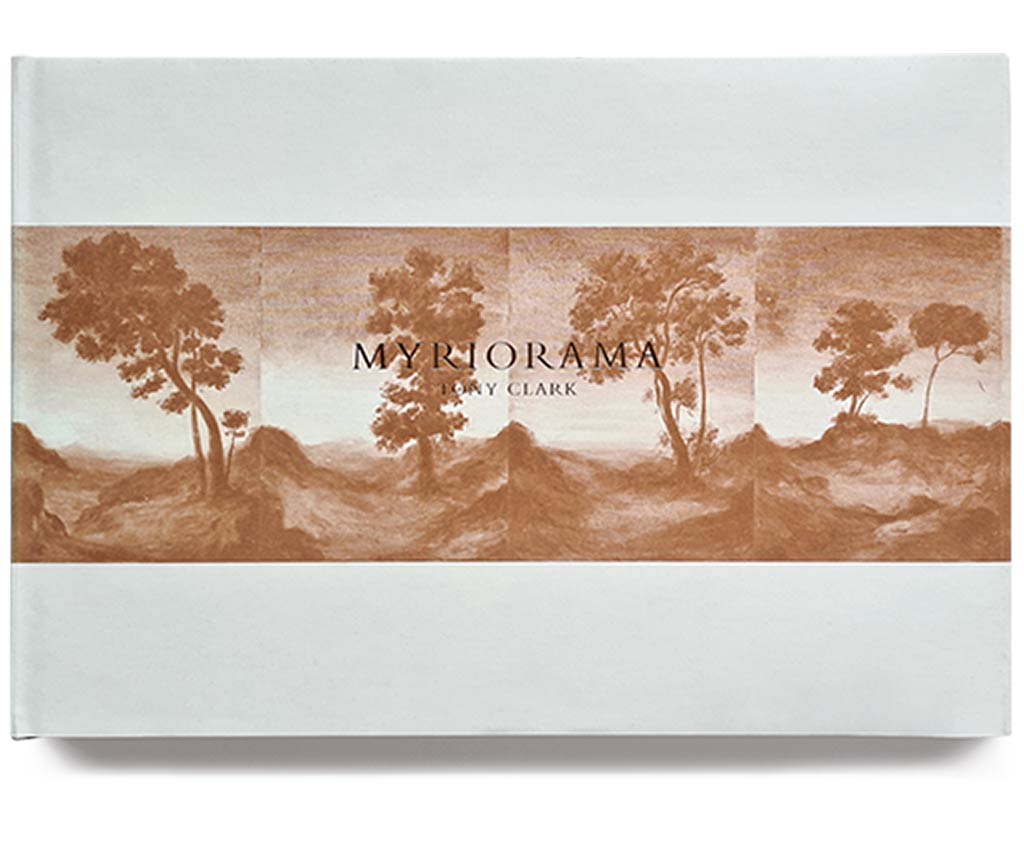
Tony Clark is best known for his moody, romantic landscape paintings that both reference and react against the Old Masters. Clark emerged as an artist in late-1970s Melbourne, at a time when the DIY aesthetic prevailed. Self-taught as an artist, with an academic background in art history, Clark was associated with the artists and musicians centred around the St Kilda scene – in particular, Nick Cave and Howard Arkley. Defiantly, and with a punk spirit, Clark pursued landscape painting, despite it being out of fashion at the time. Since then, Clark has devoted himself to interrogating the genre of landscape painting, deliberately subverting hierarchies between fine art and the decorative arts to create his own unique form of ‘punk classicism’.
In a career spanning over four decades, Clark has exhibited extensively, nationally and internationally. He has recently produced a series of large scale, site-specific paintings in conjunction with dance performances by Shelley Lasica in Sicily, Germany and Australia. In 1992, he was included in Documenta IX, the prestigious contemporary art exhibition held every five years in Kassel, Germany. In 1994 Clark won the $30,000 John McCaughey Memorial Art Prize with a work using just four colours: light blue, light pink, raw sienna and black, a palette he continues to use. In 1998, a major retrospective of his work, Tony Clark: Public and Private Paintings 1982–1998, was held at Heide Museum of Modern Art, Melbourne. His work is included in numerous public collections in Australia, including the National Gallery of Australia, Canberra; National Portrait Gallery, Canberra; Art Gallery of New South Wales, Sydney; and National Gallery of Victoria, Melbourne.
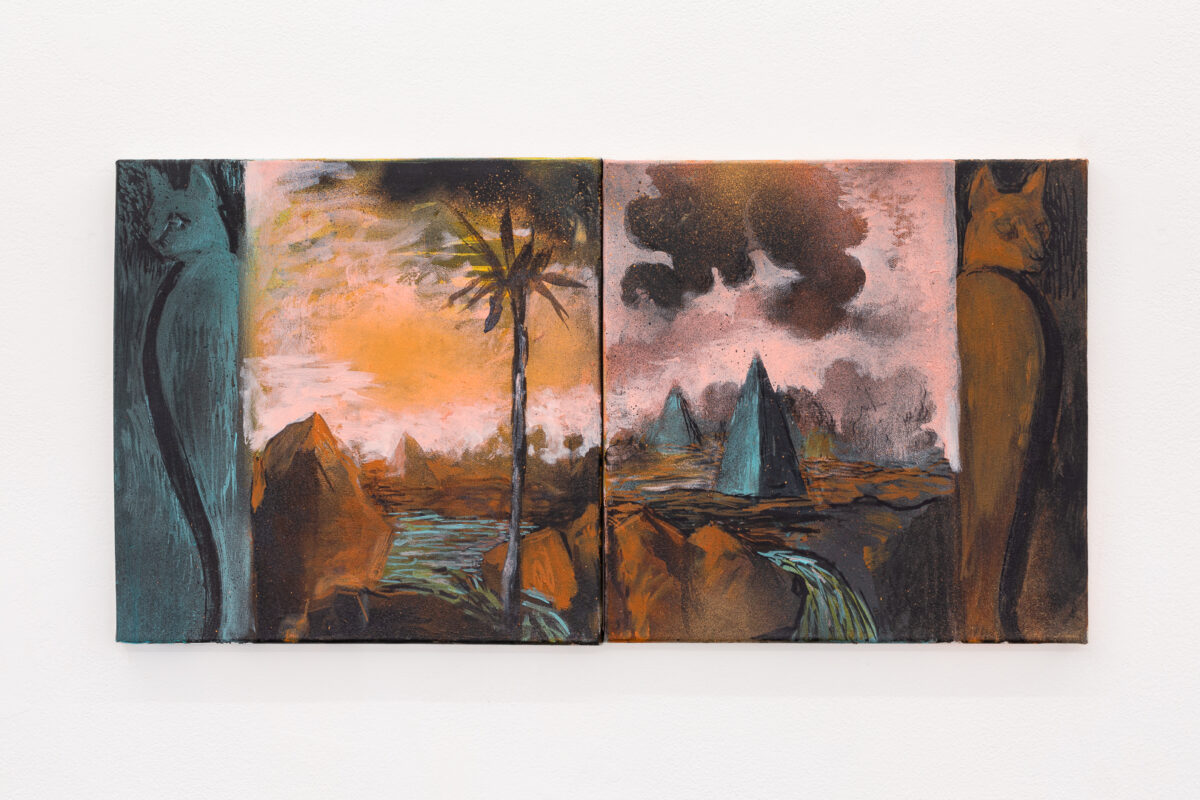
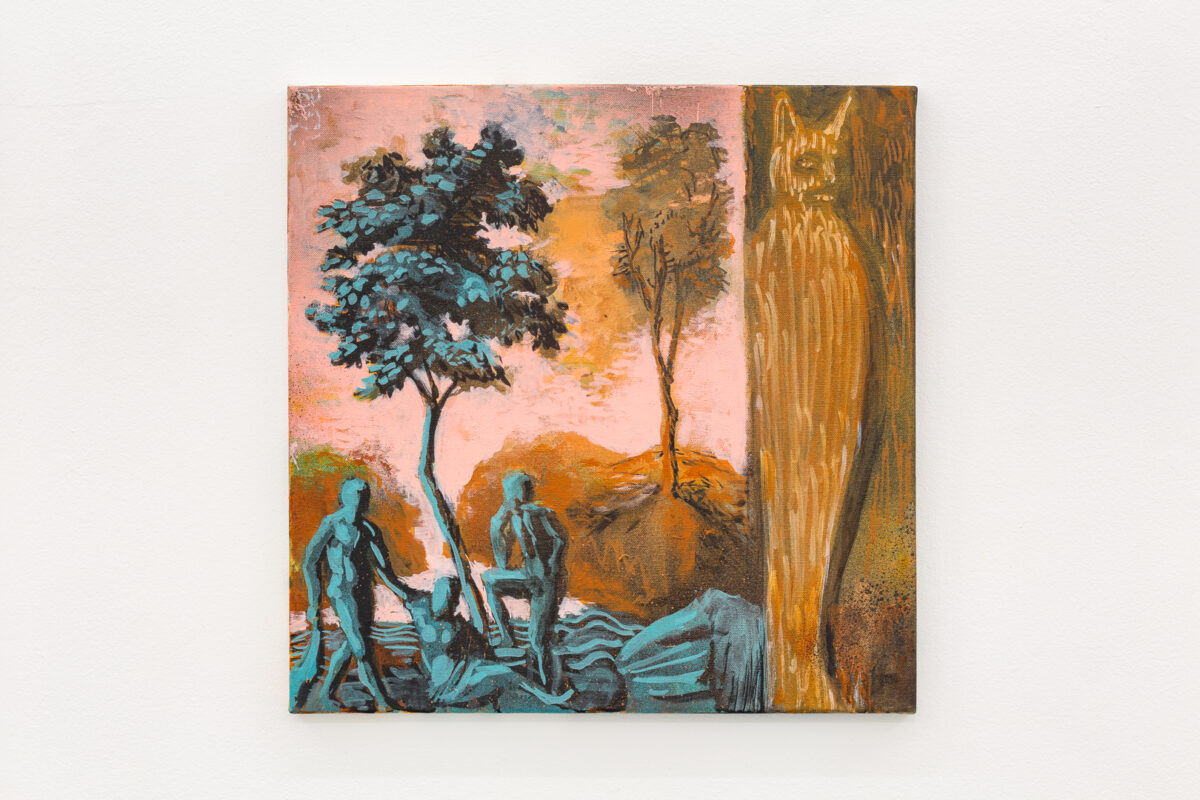
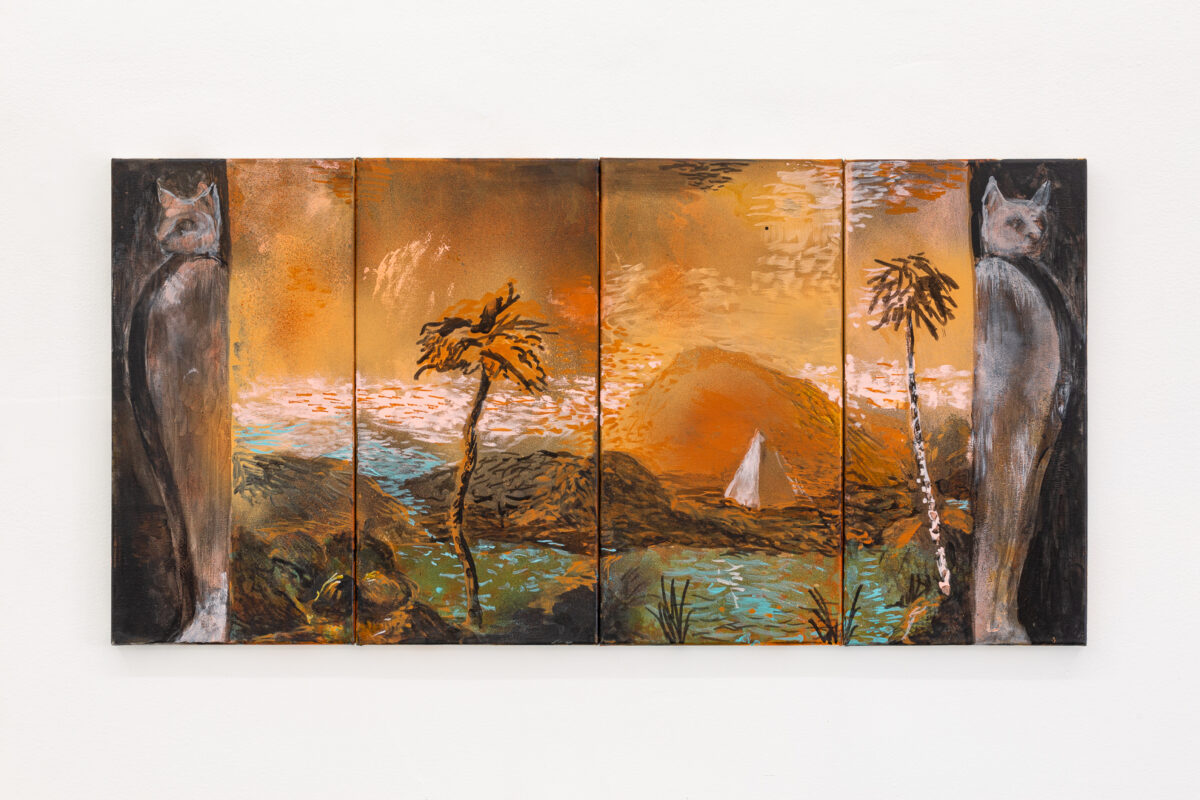
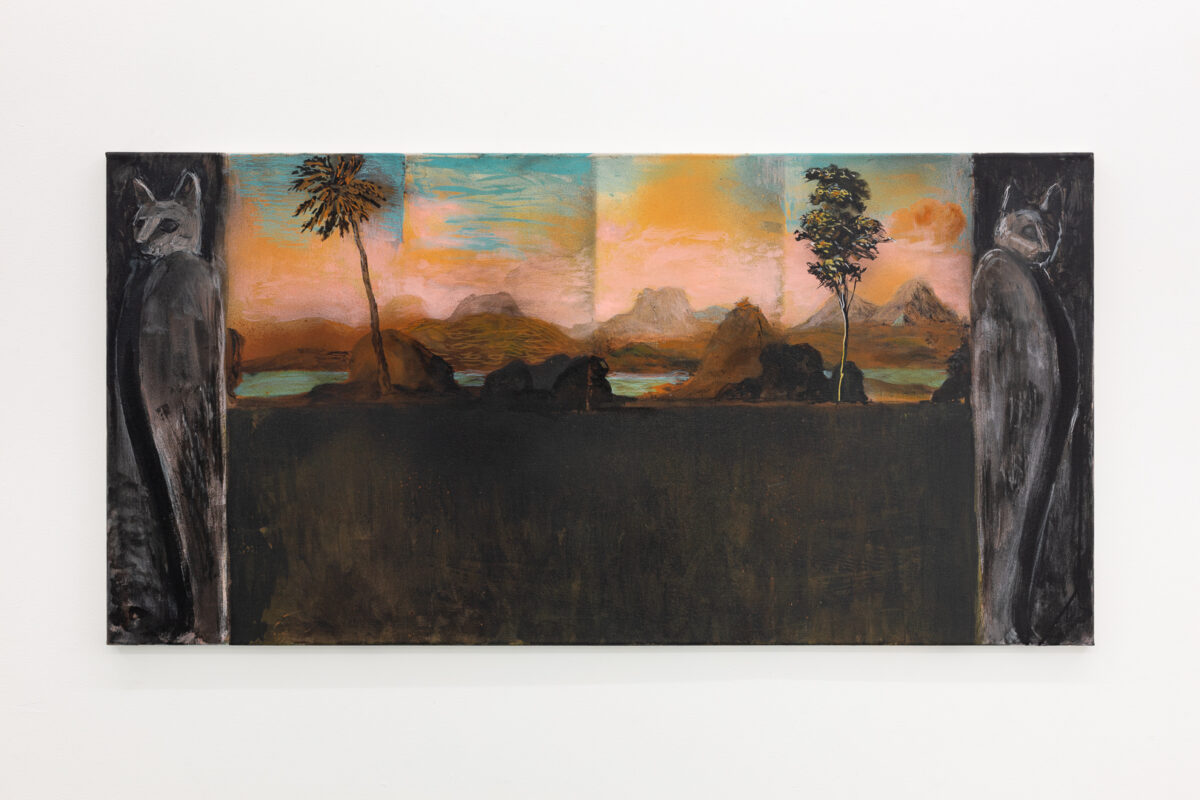
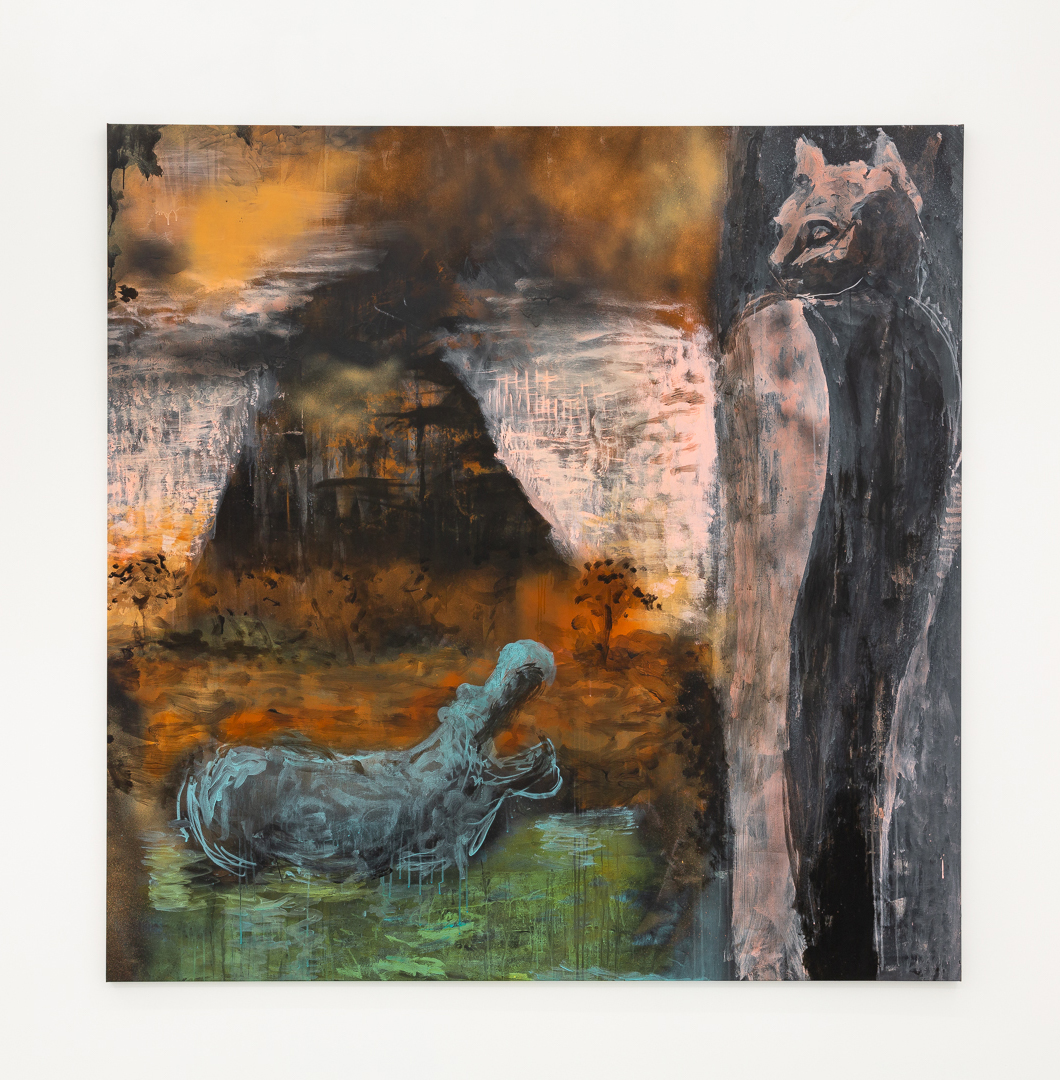
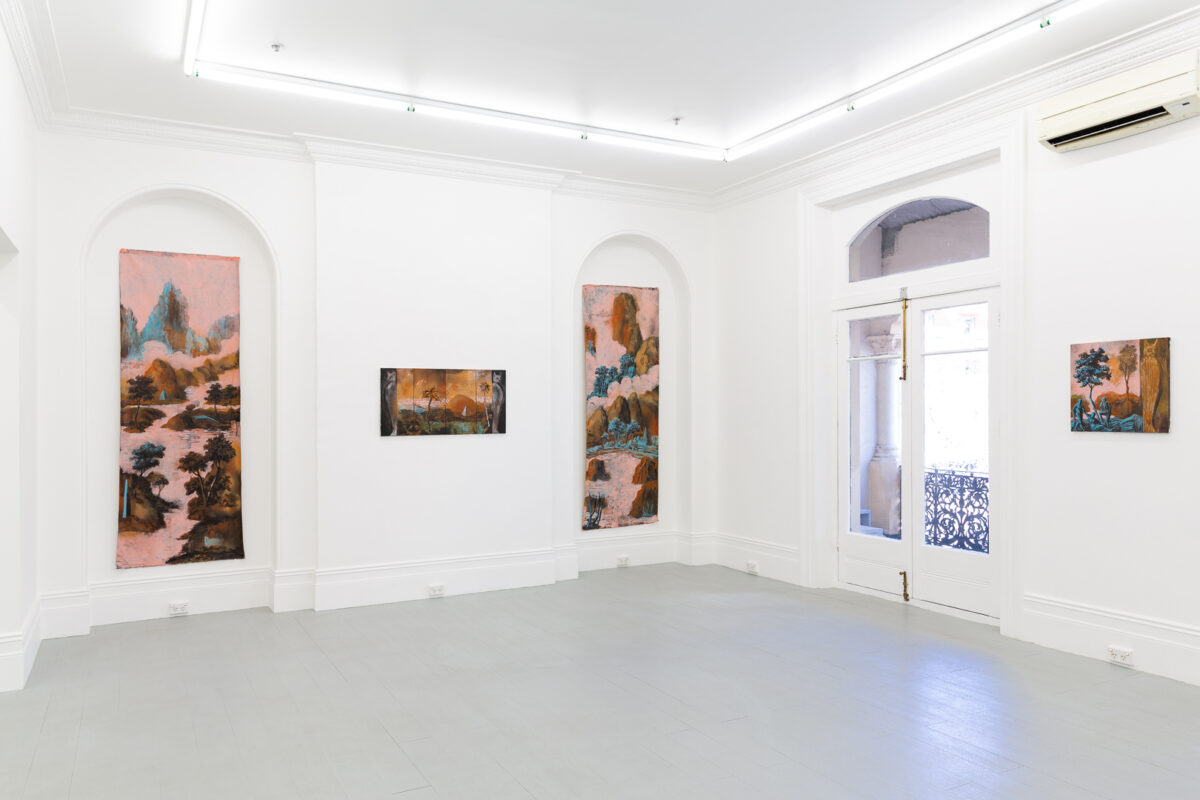
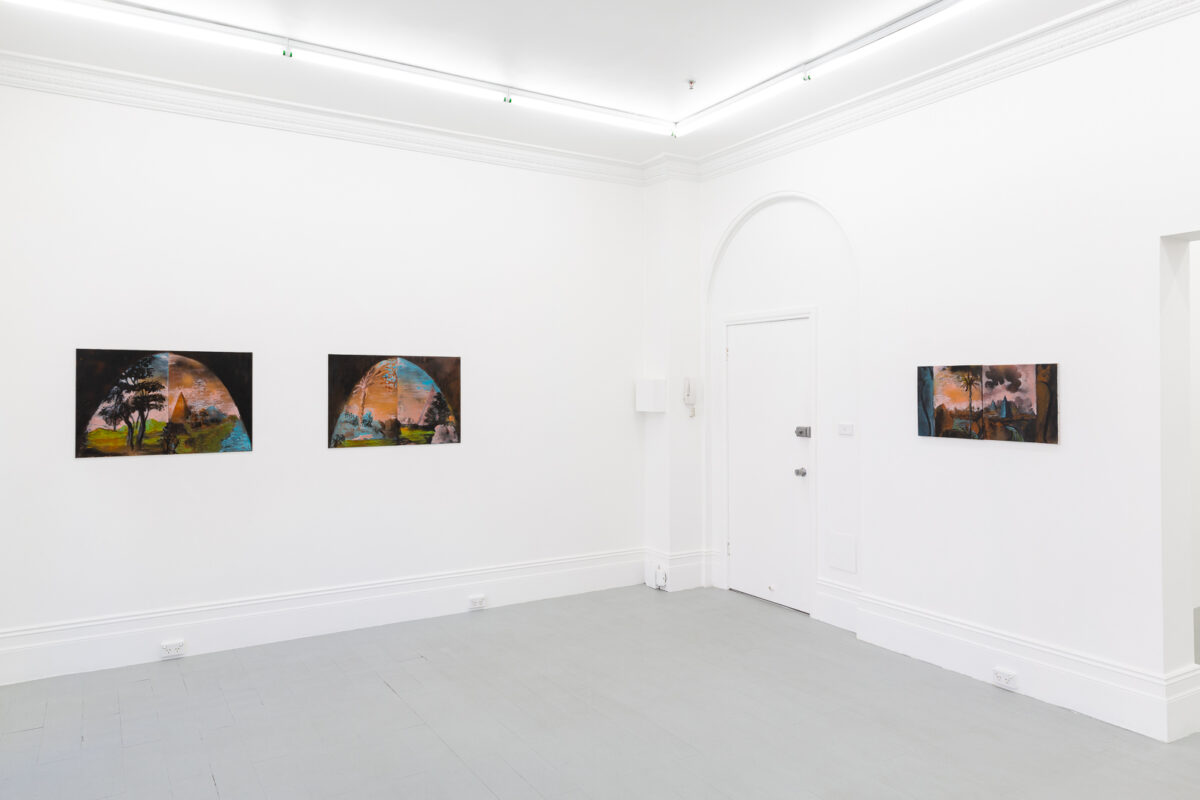
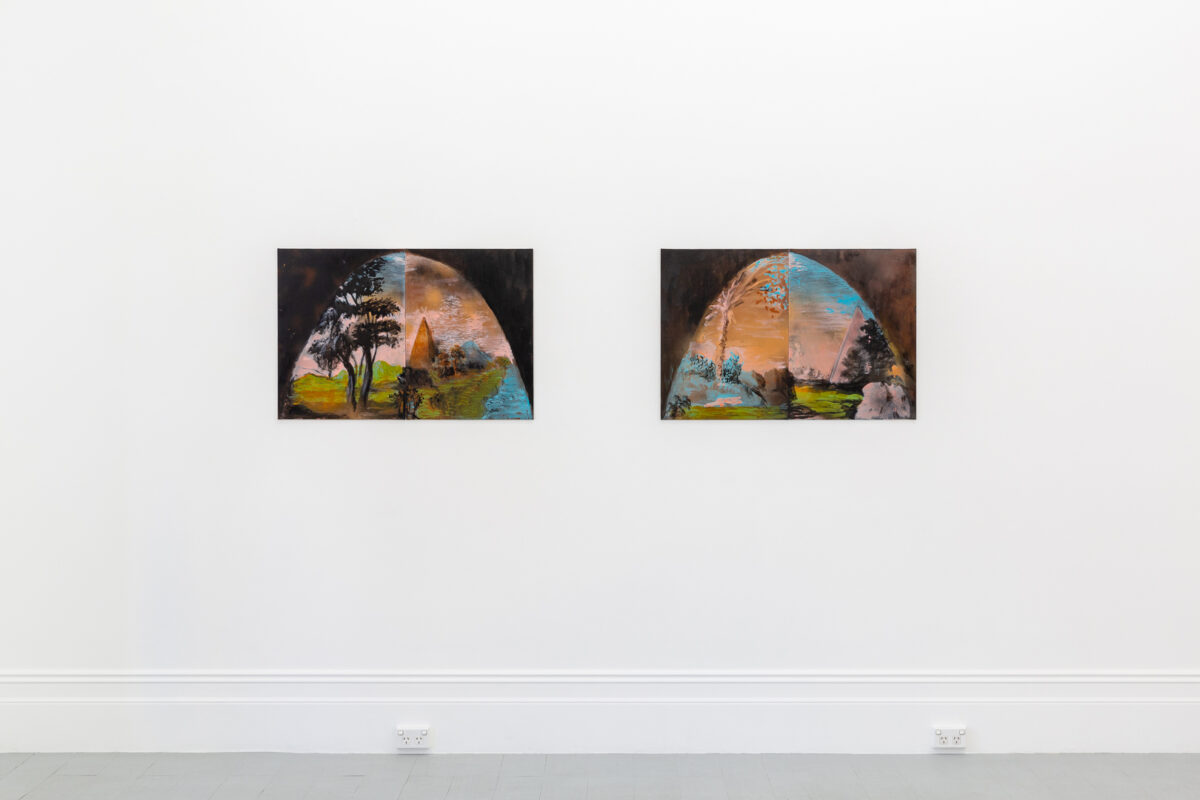
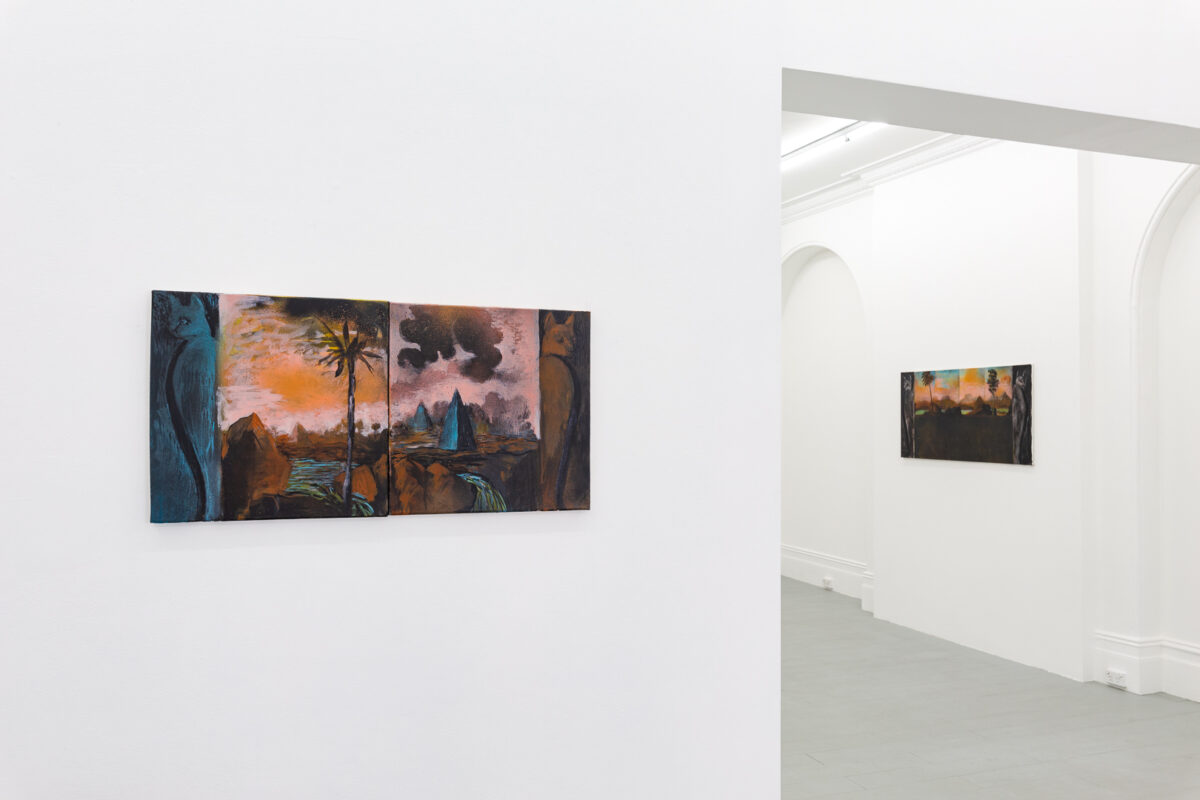
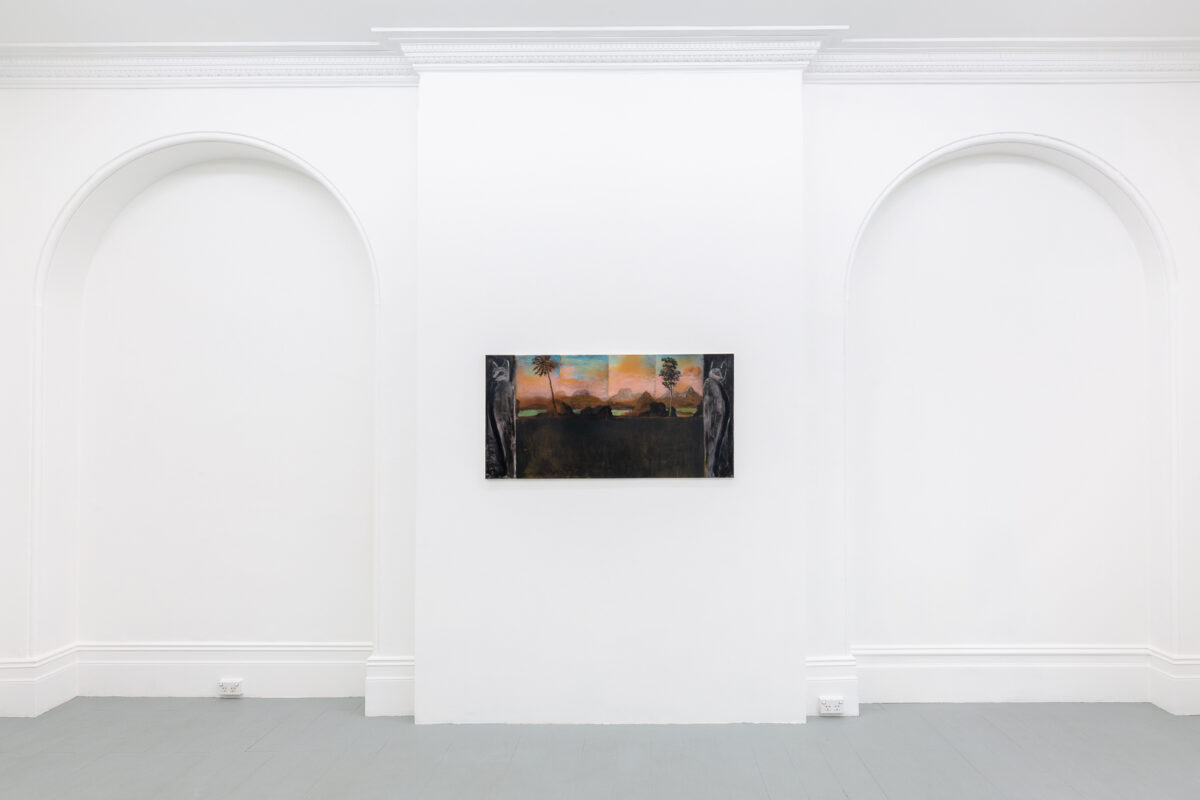
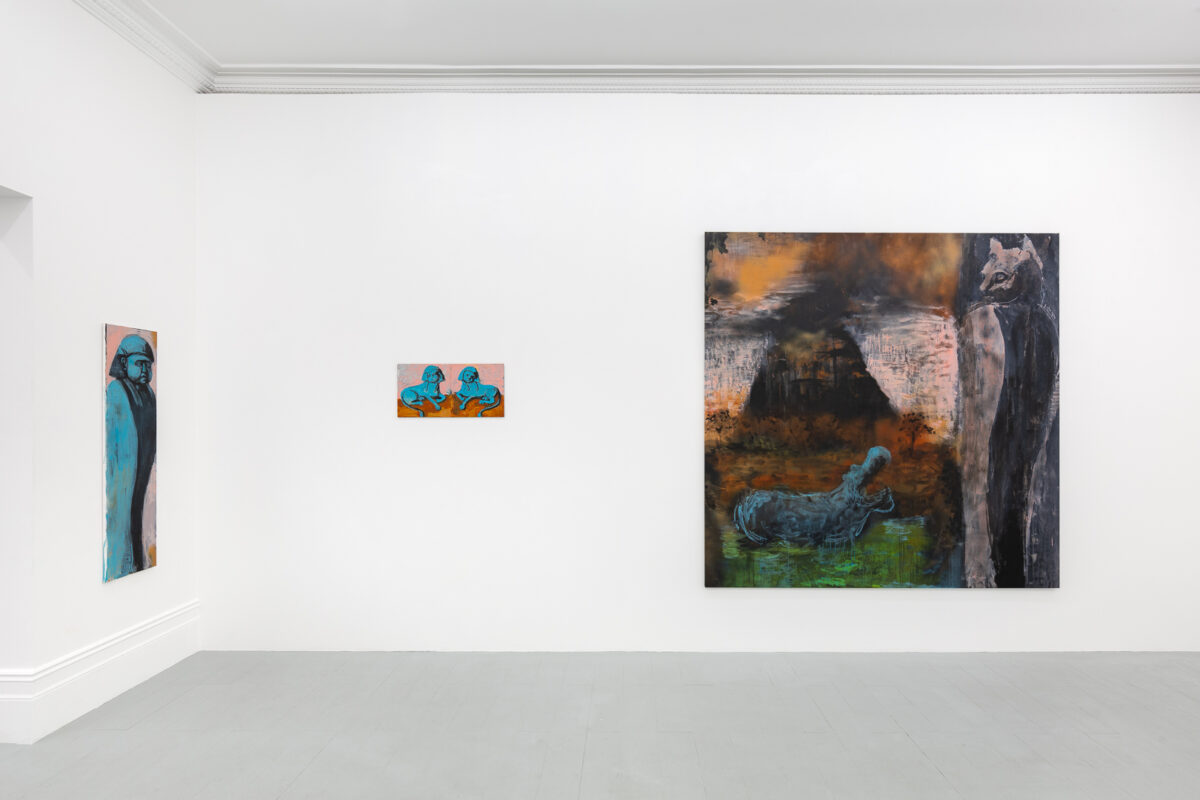
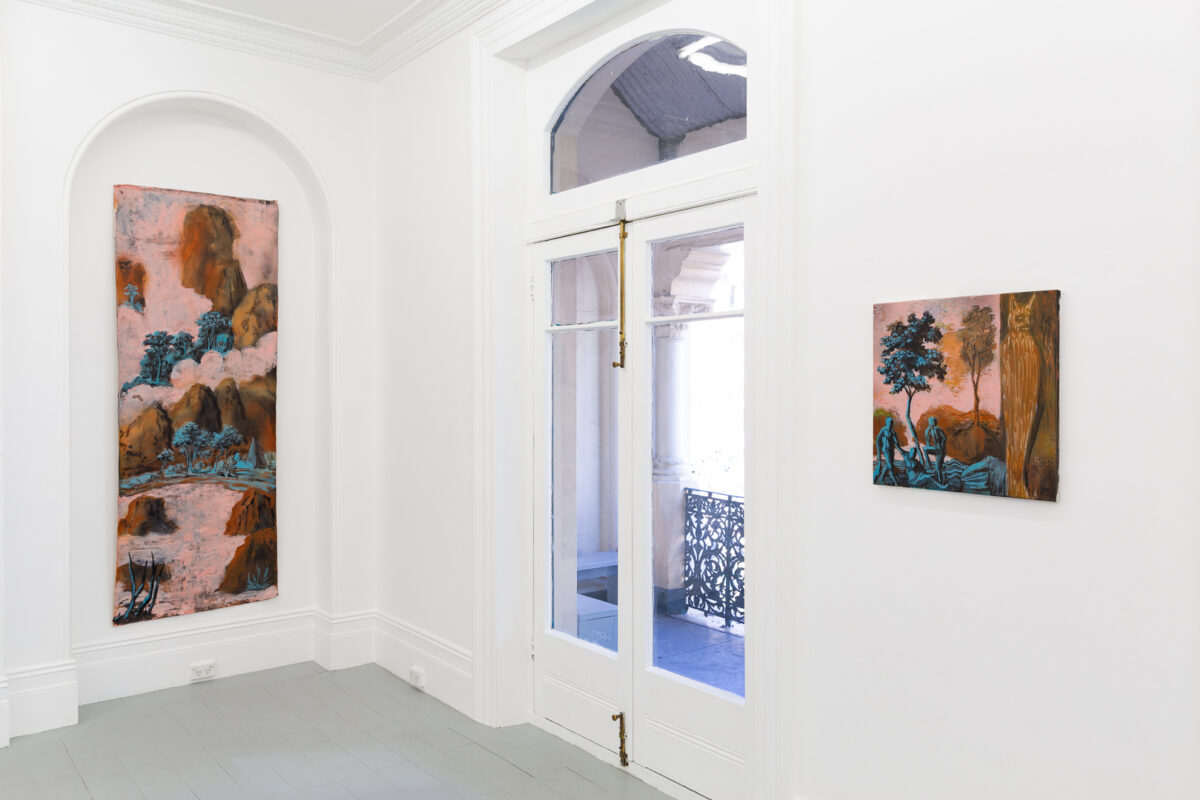
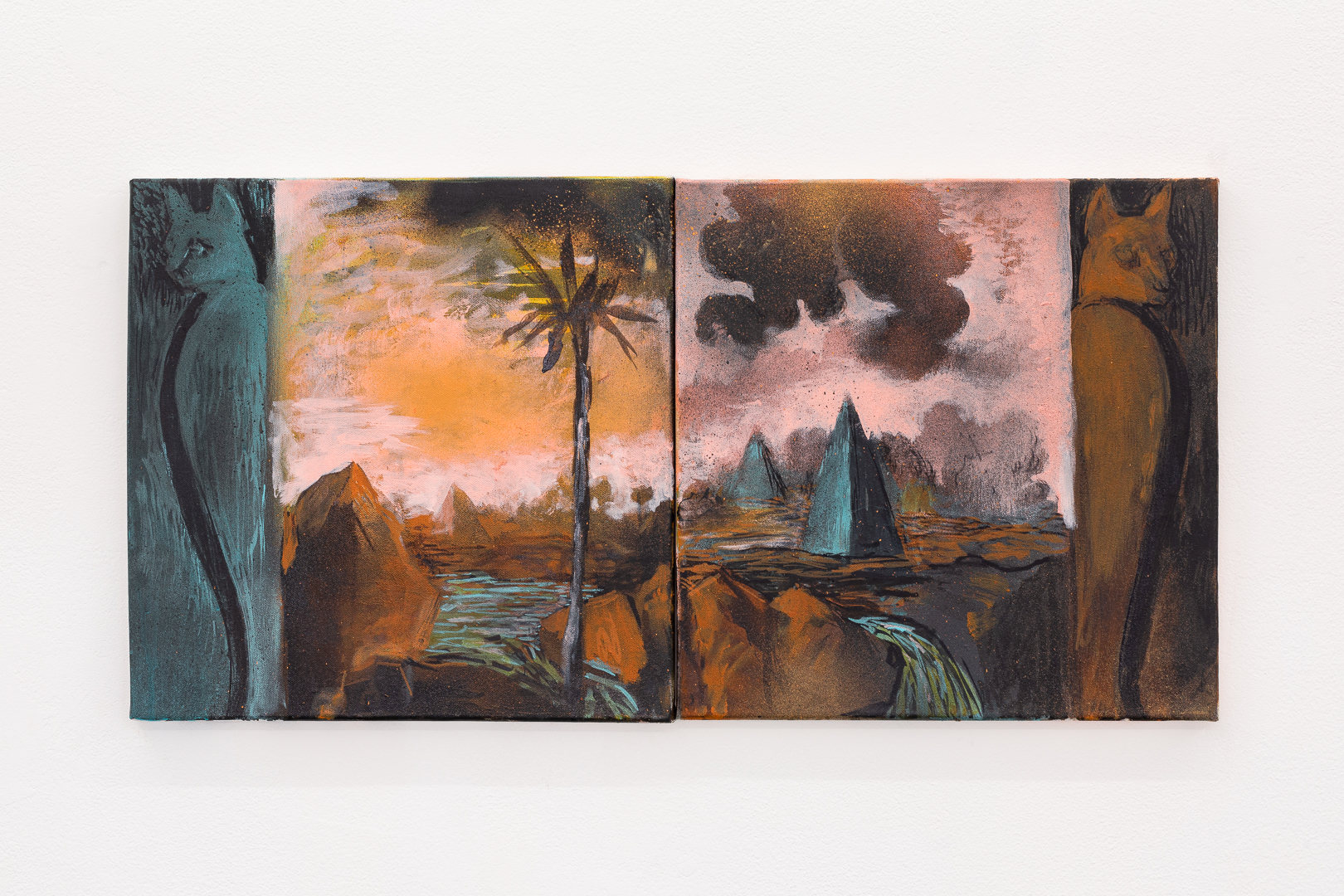
Nilotic Landscape (Buehnenbild)
2021
acrylic and ink on canvas
2 panels; overall 40.5 x 81.0 cm
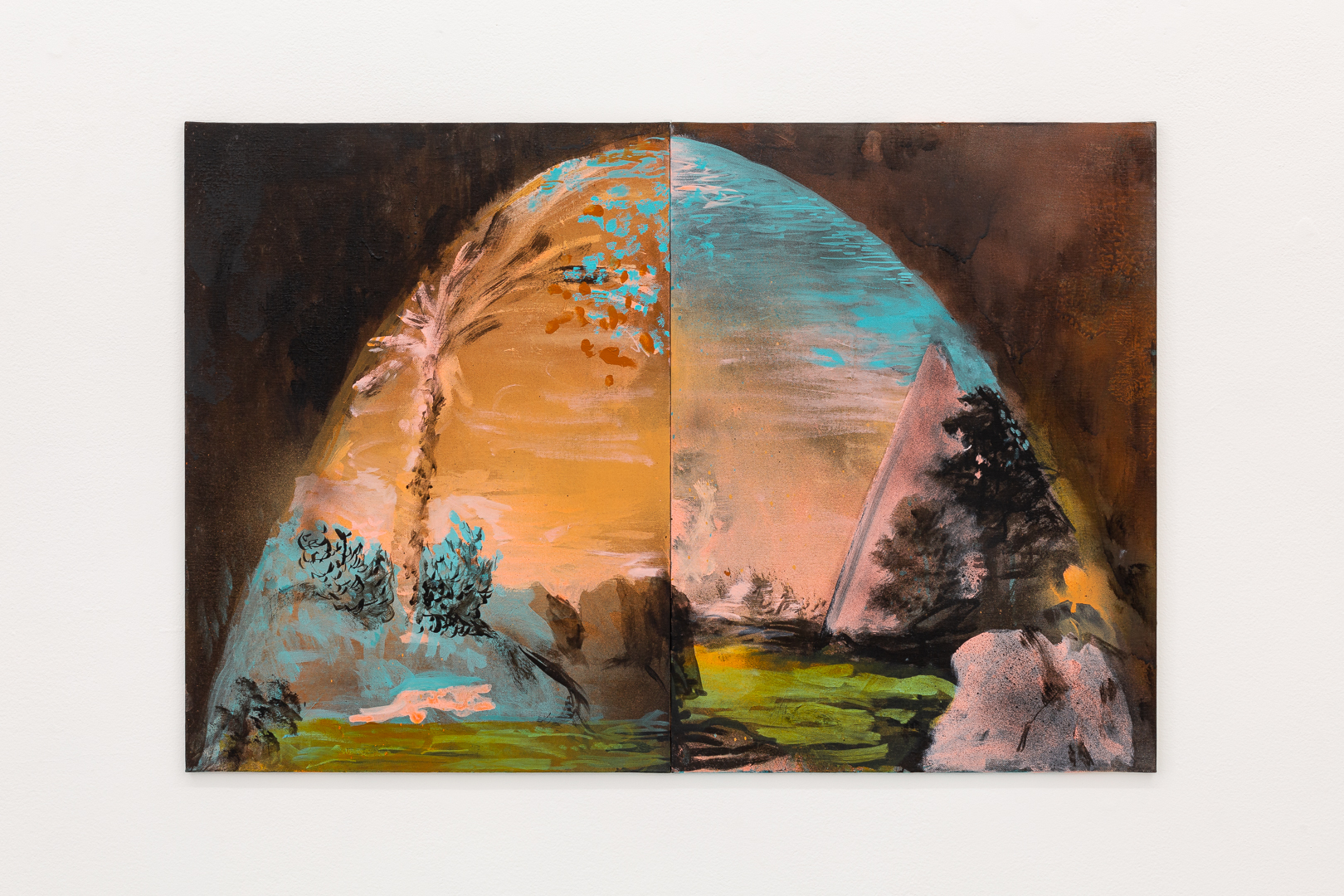
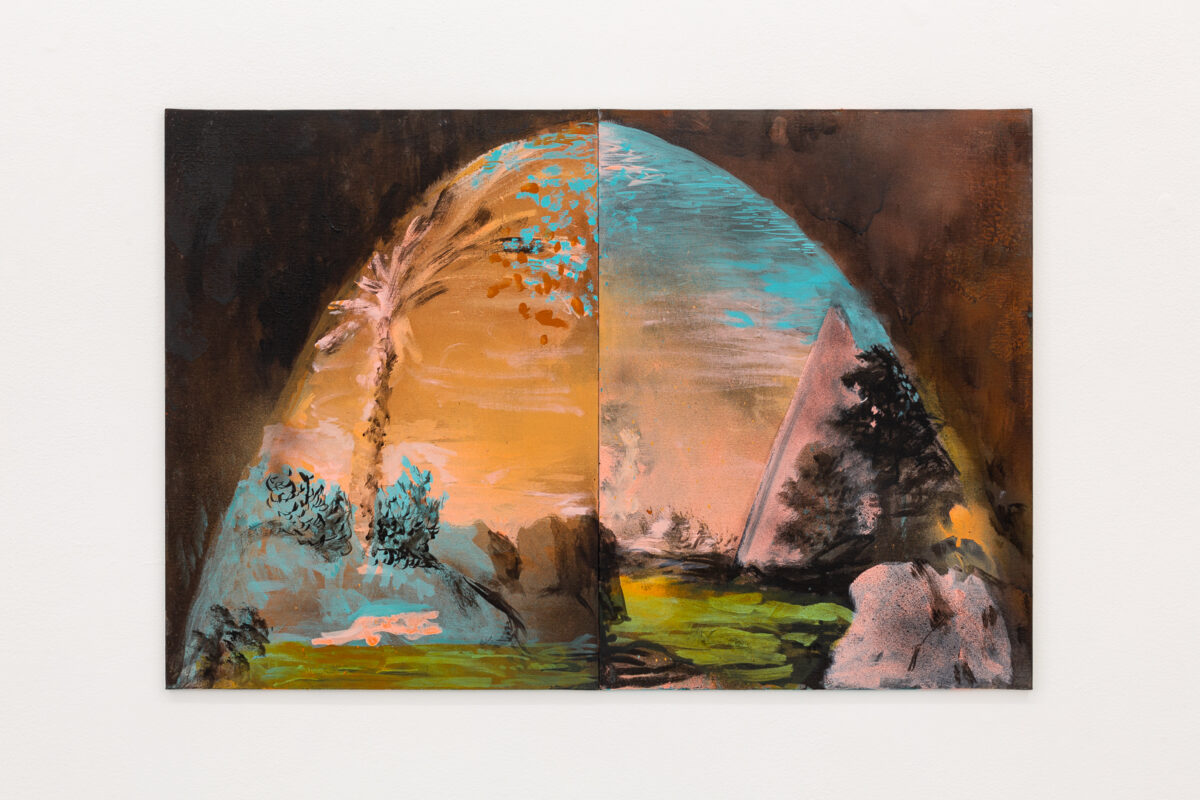
Nilotic Landscape (Two Sections from Clark’s Myriorama within a feigned frame)
2021
acrylic and ink on canvas
2 panels; overall 61.0 x 91.0 cm
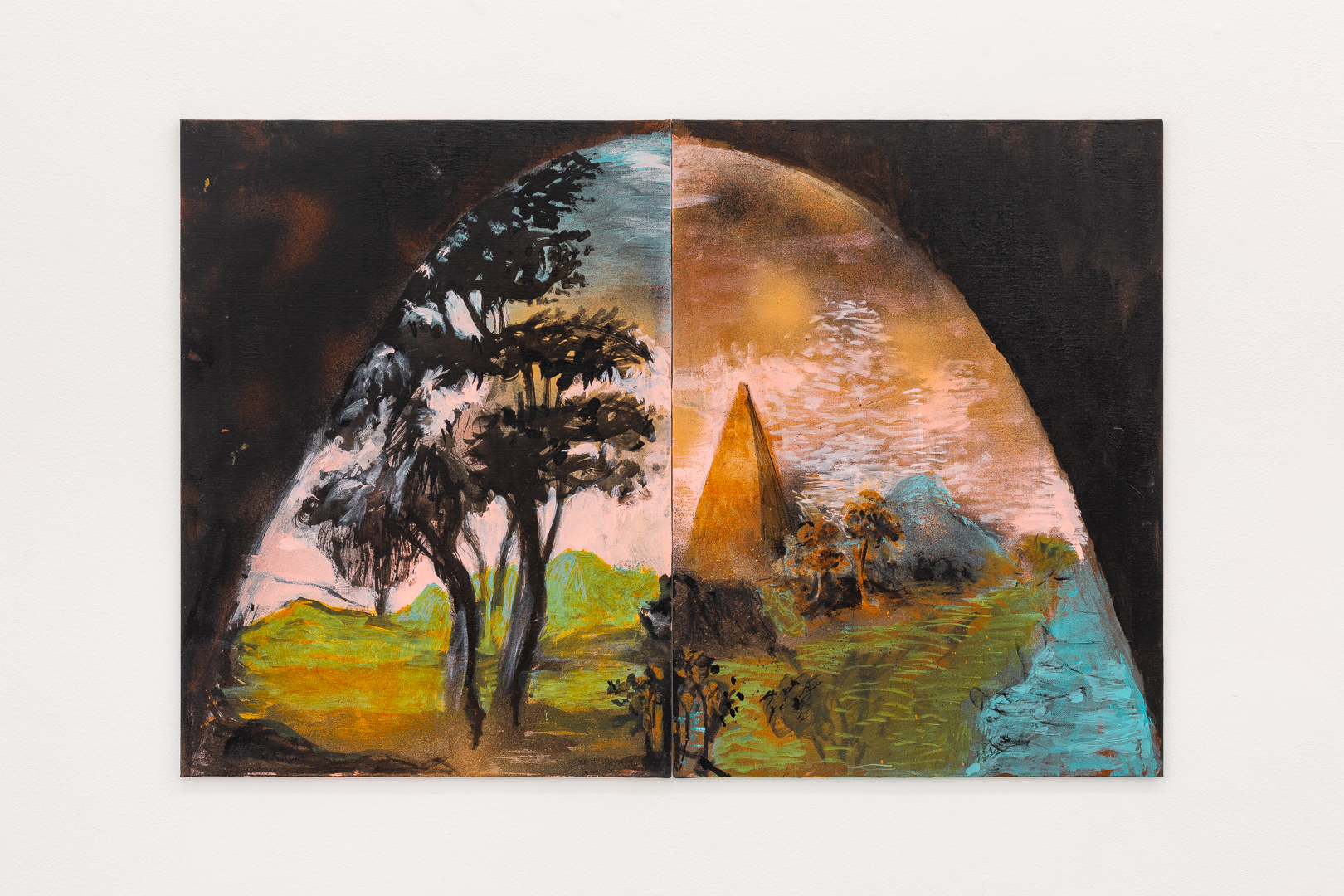
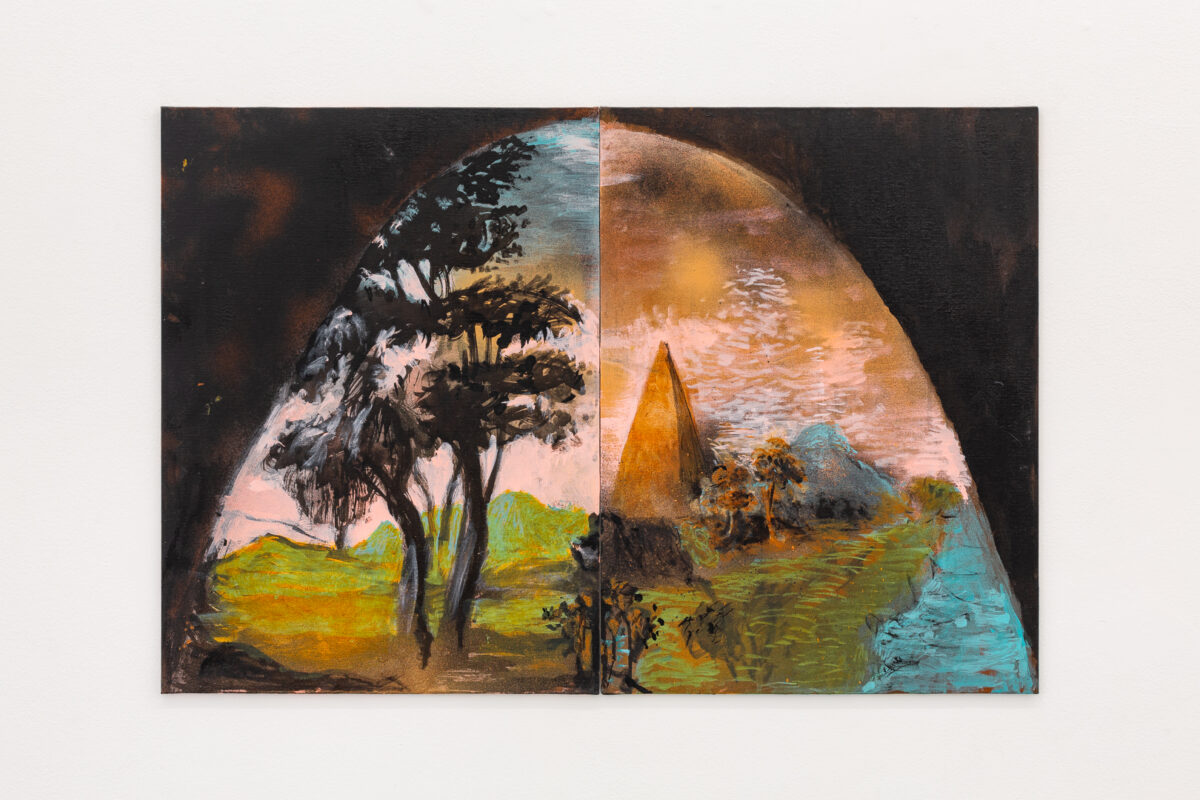
Nilotic Landscape (Two Sections from Clark’s Myriorama within a feigned frame)
2021
acrylic and ink on canvas
2 panels; overall 61.0 x 91.0 cm
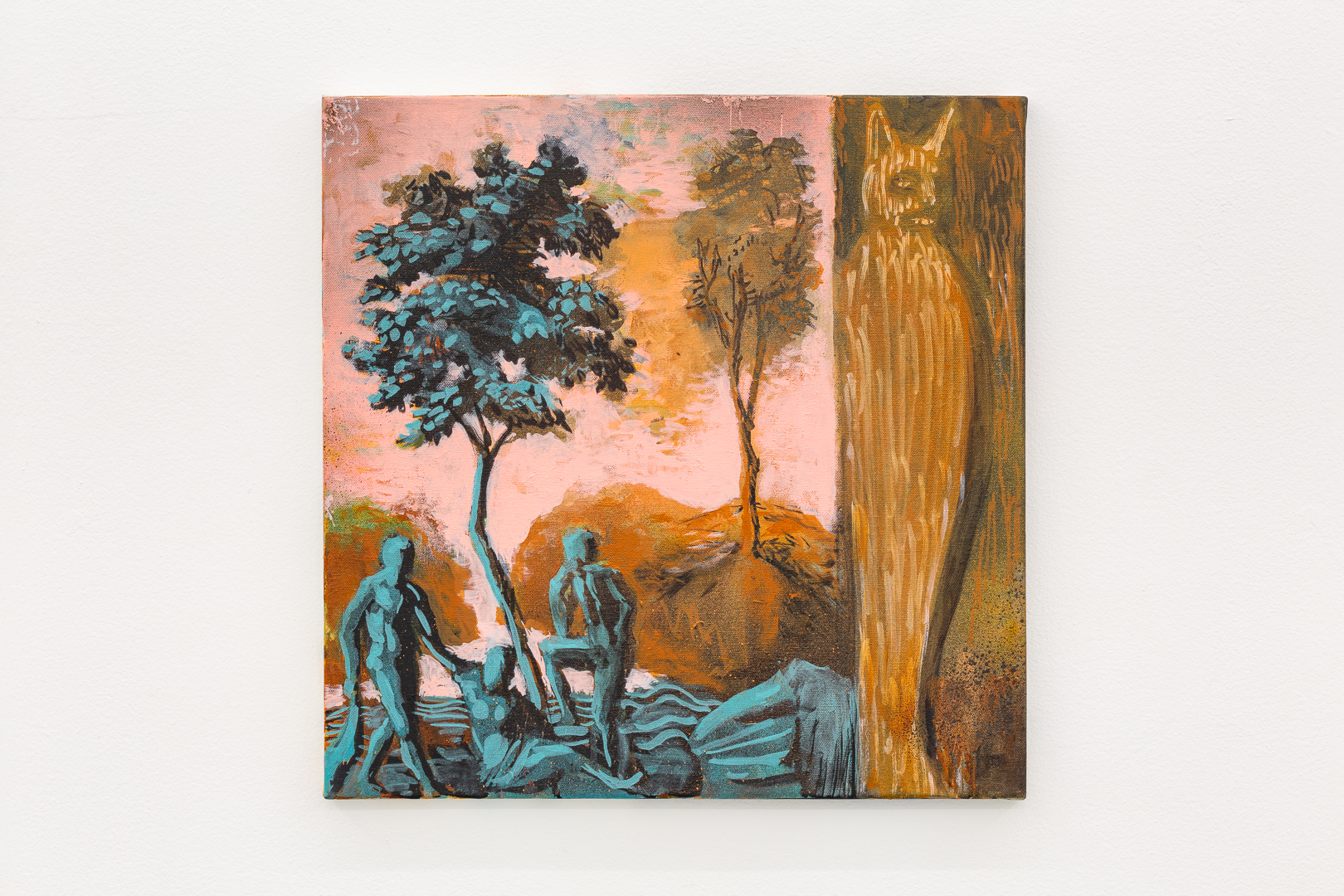
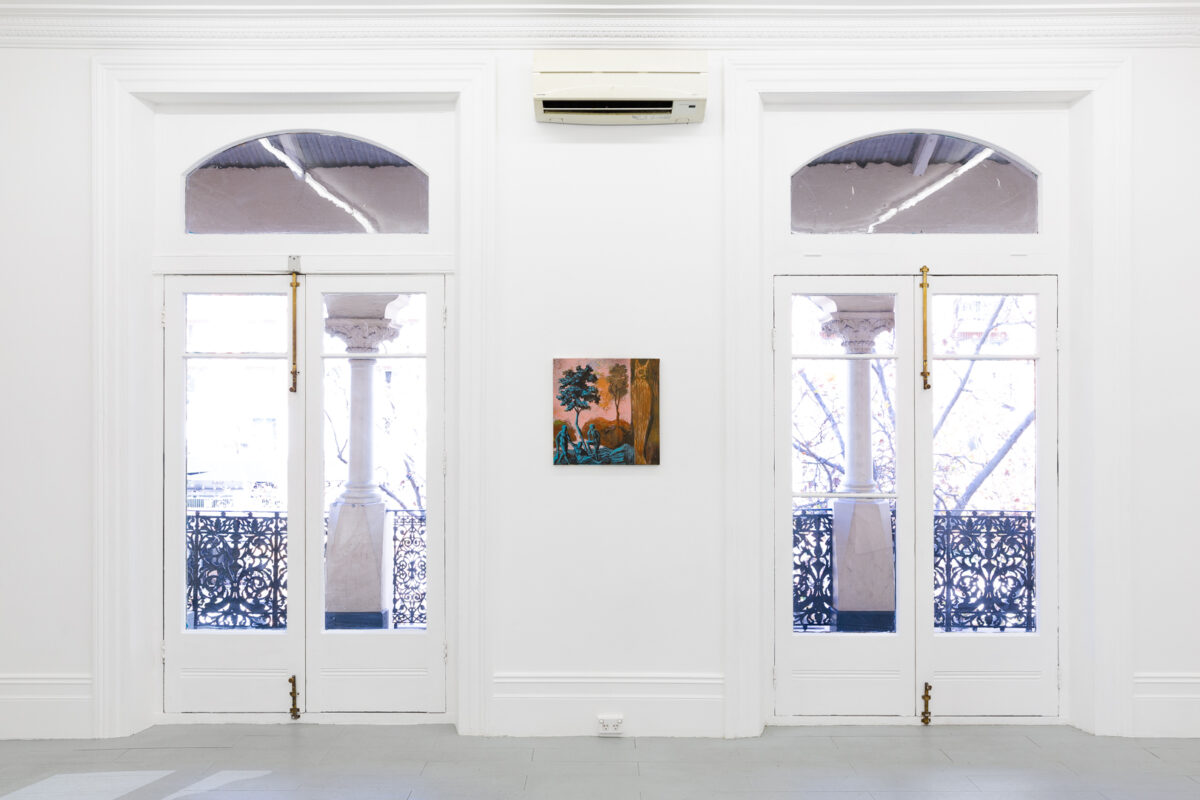
Nilotic Landscape (Buehnenbild)
2021
acrylic and ink on canvas
50.0 x 50.0 cm
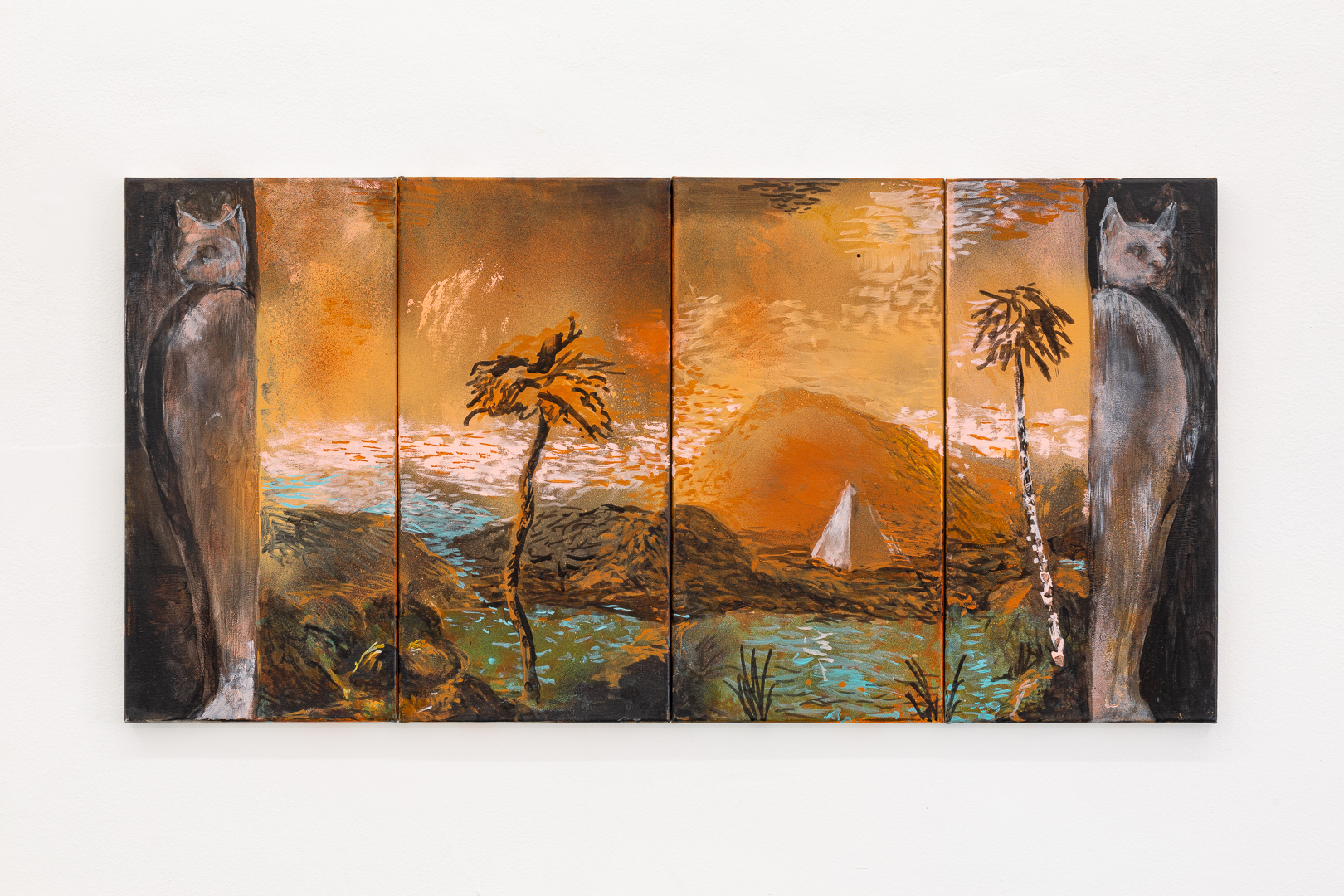
Nilotic Landscape with Sections from Clark’s Myriorama (Buehnenbild)
2021
acrylic and ink on canvas
4 panels, overall 51.0 x 102.0 cm
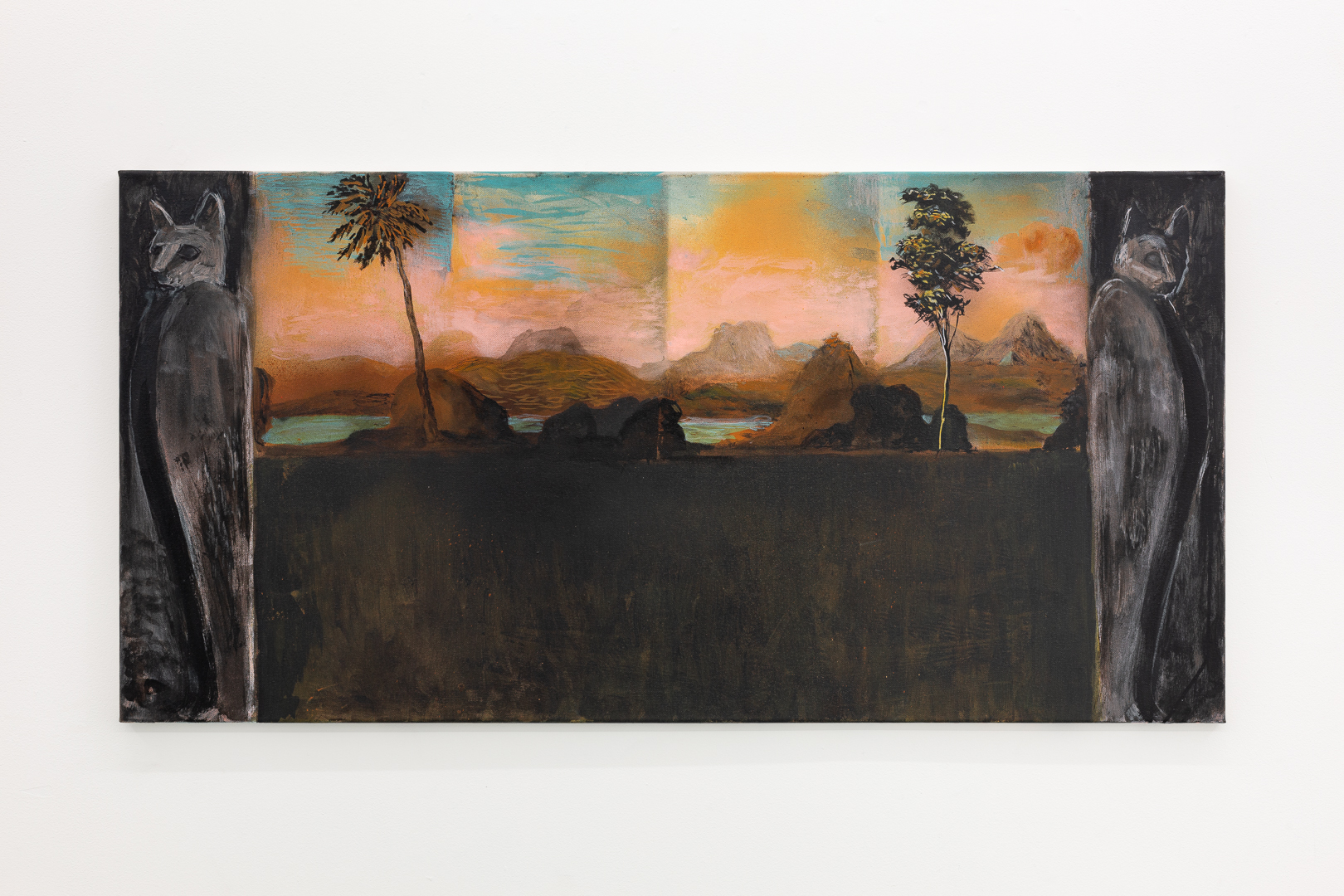
Design for a door surround with Sections from Clark’s Myriorama
2021
acrylic and ink on canvas
61.0 x 122.0 cm
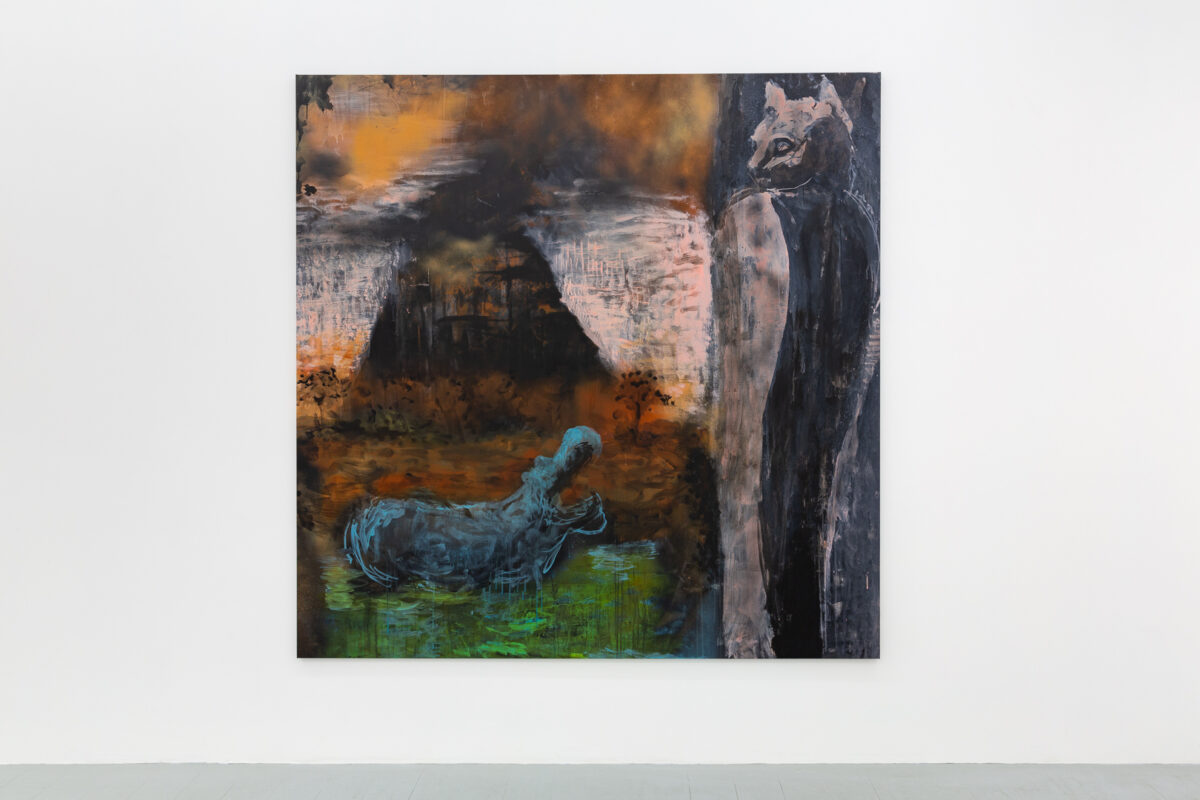
Nilotic Landscape (Buehnenbild)
2021
acrylic and ink on canvas
203.0 x 203.0 cm
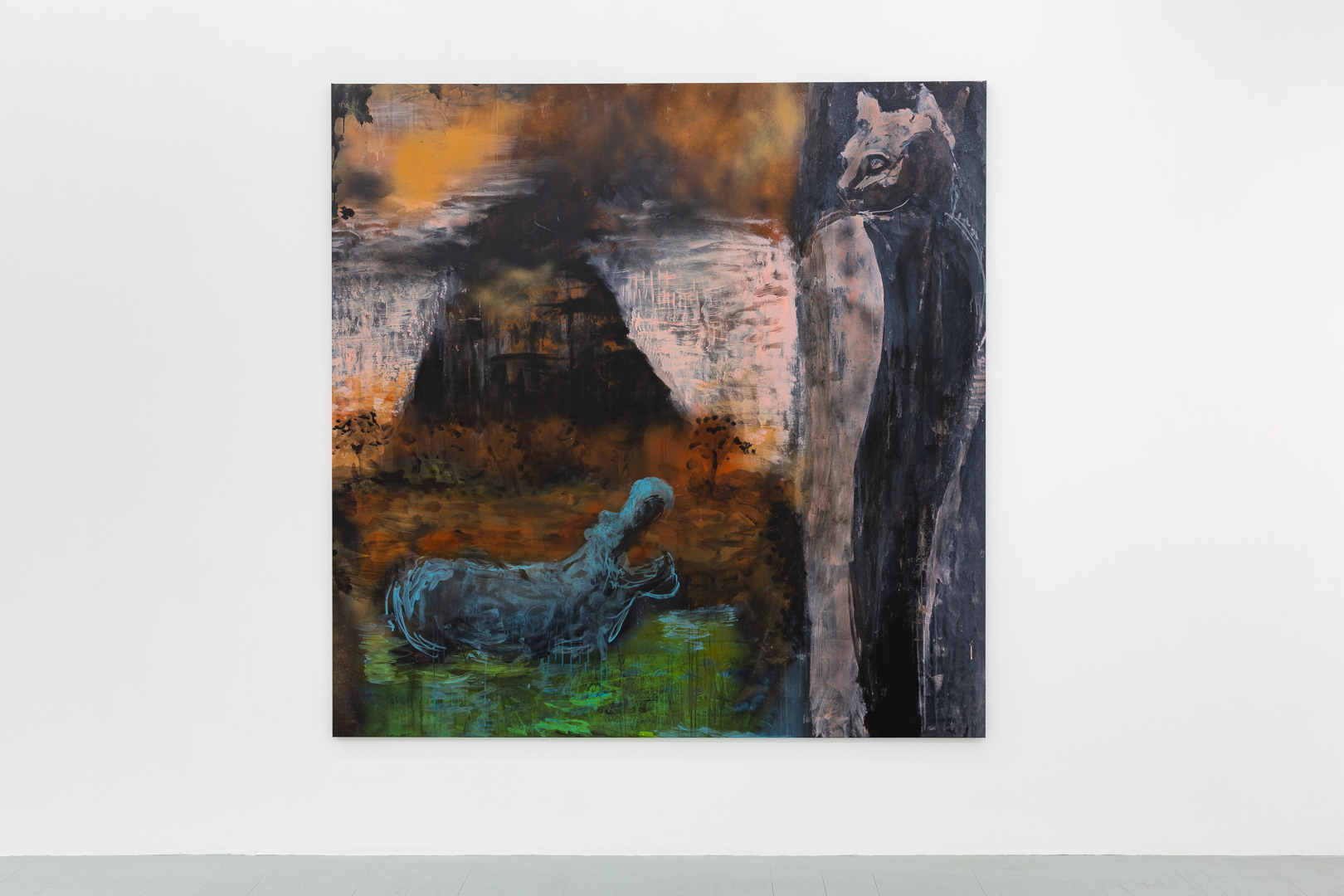
Nilotic Landscape (Buehnenbild)
2021
installation view
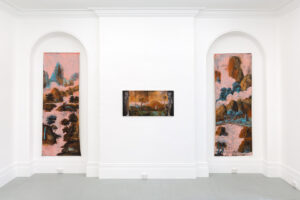
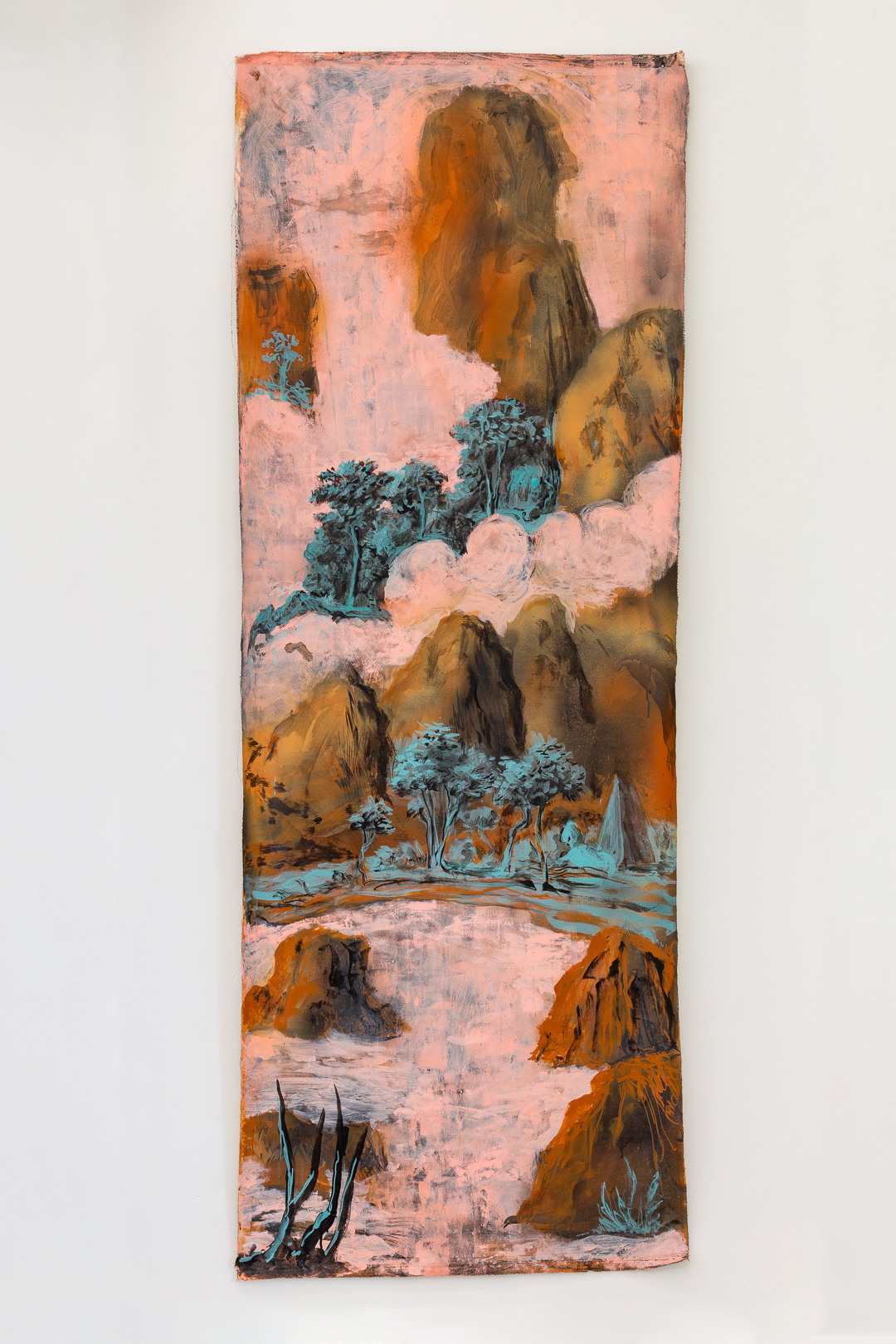
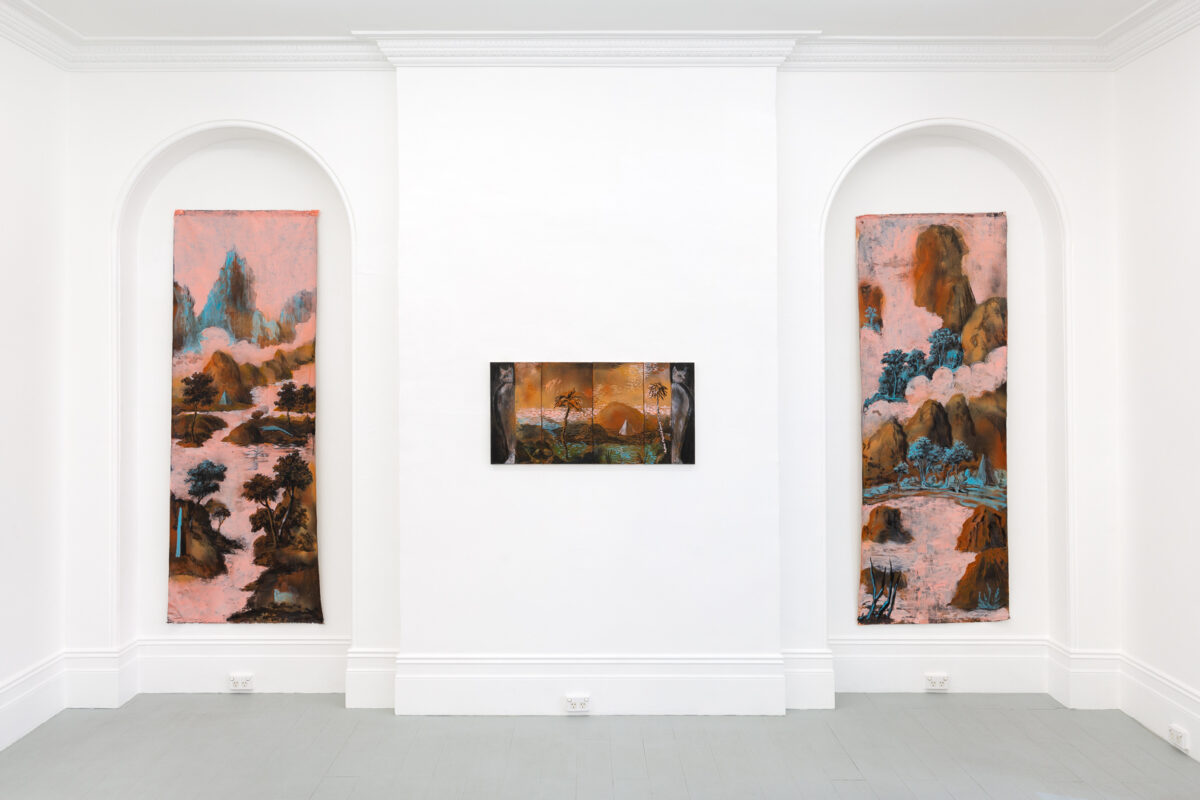
Nilotic Landcape 1
2021
acrylic and ink on canvas
218.0 x 80.0 cm approx
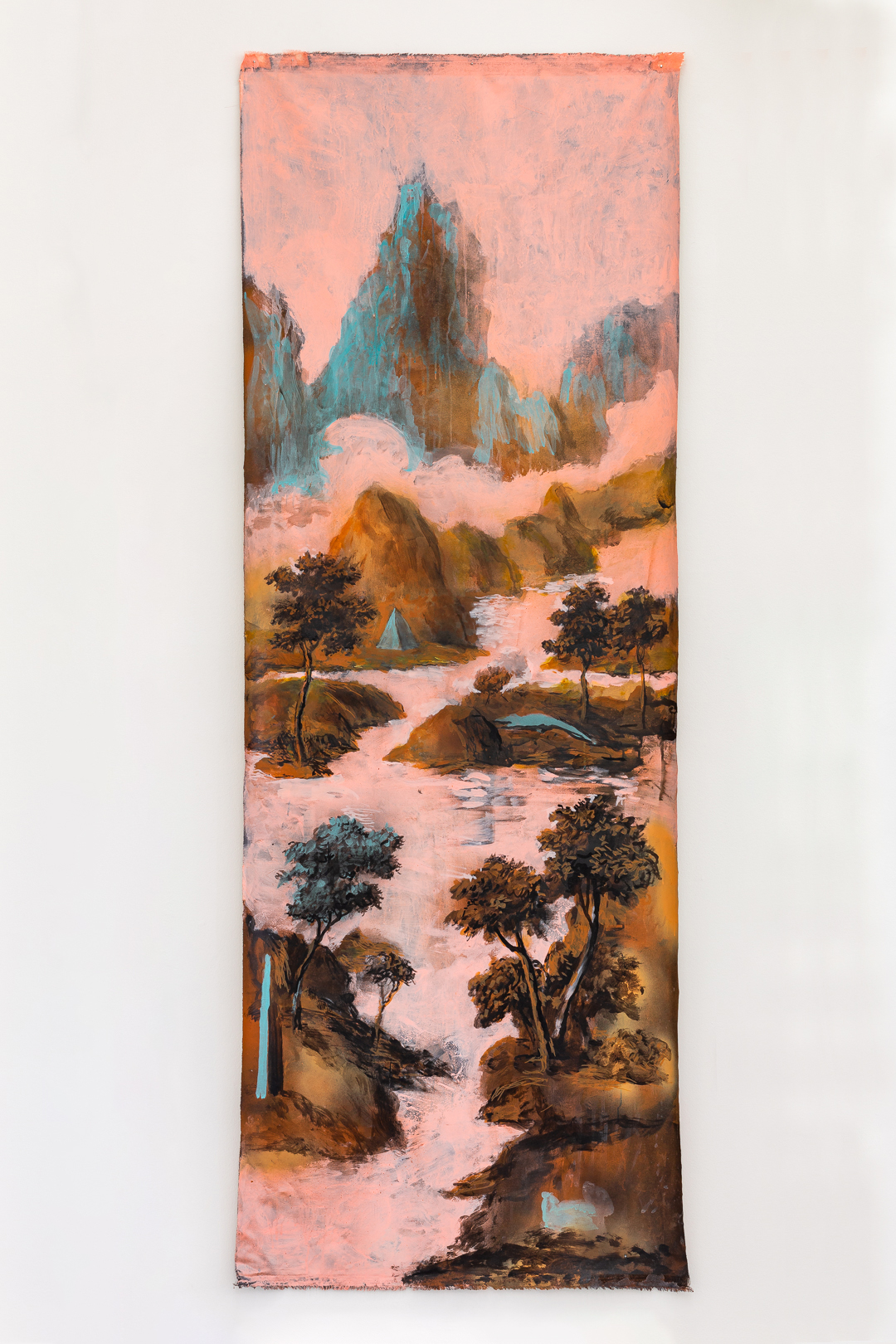
Nilotic Landcape 2
2021
acrylic and ink on canvas
218.0 x 80.0 cm approx
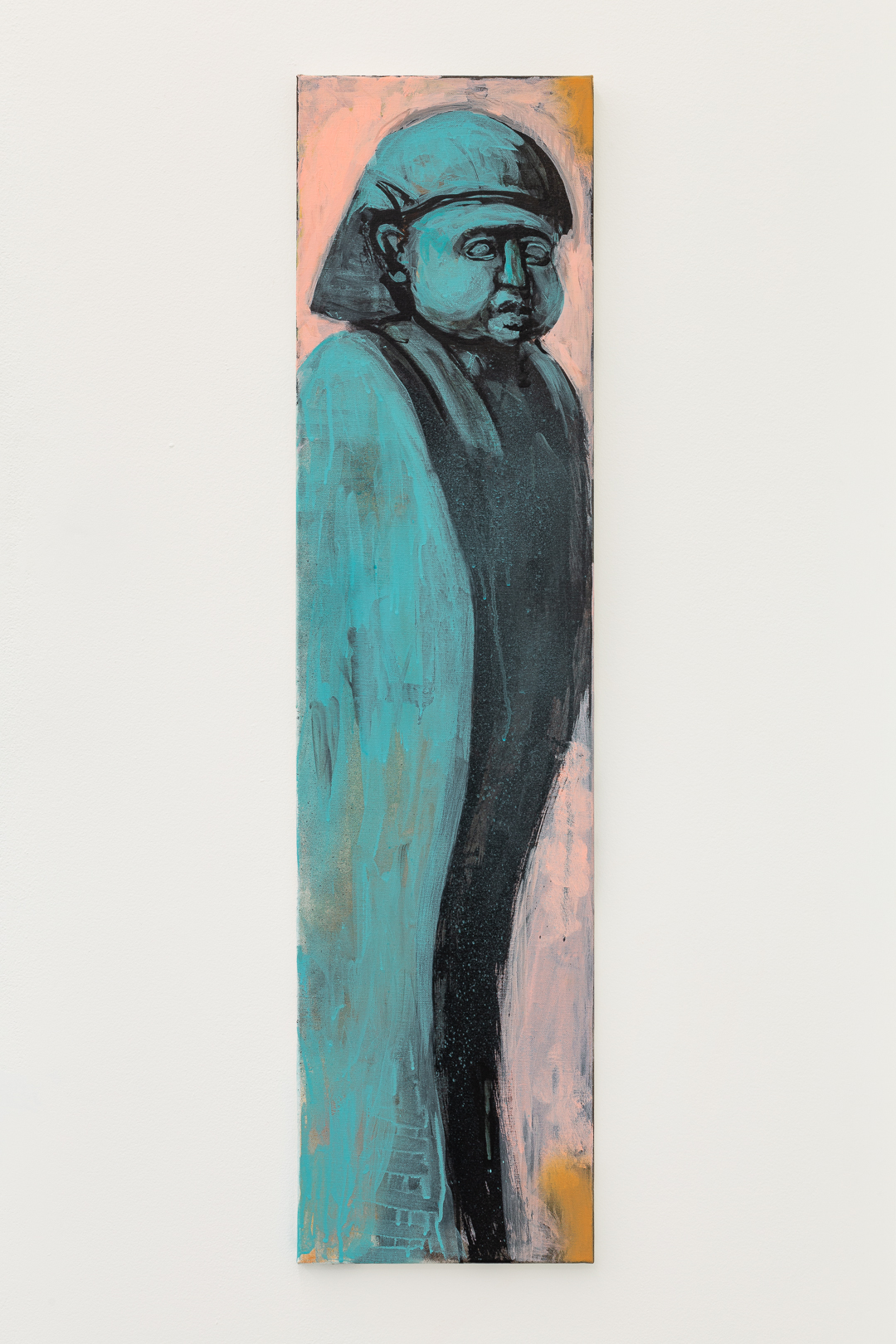
Putto Antinous
2021
acrylic and ink on canvas
122.0 x 31.0 cm
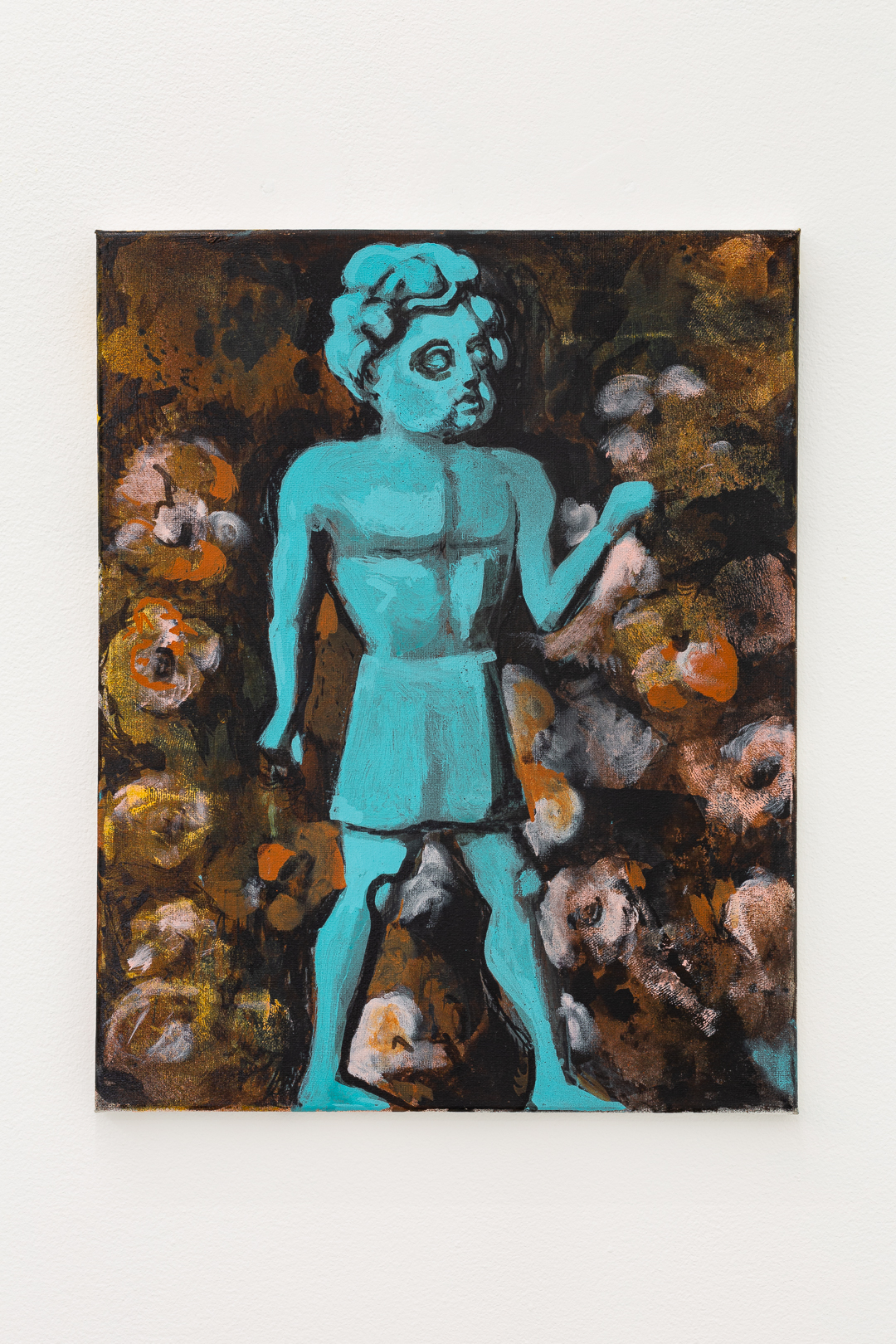
Standing Putto
2021
acrylic and ink on canvas
50.0 x 40.0 cm
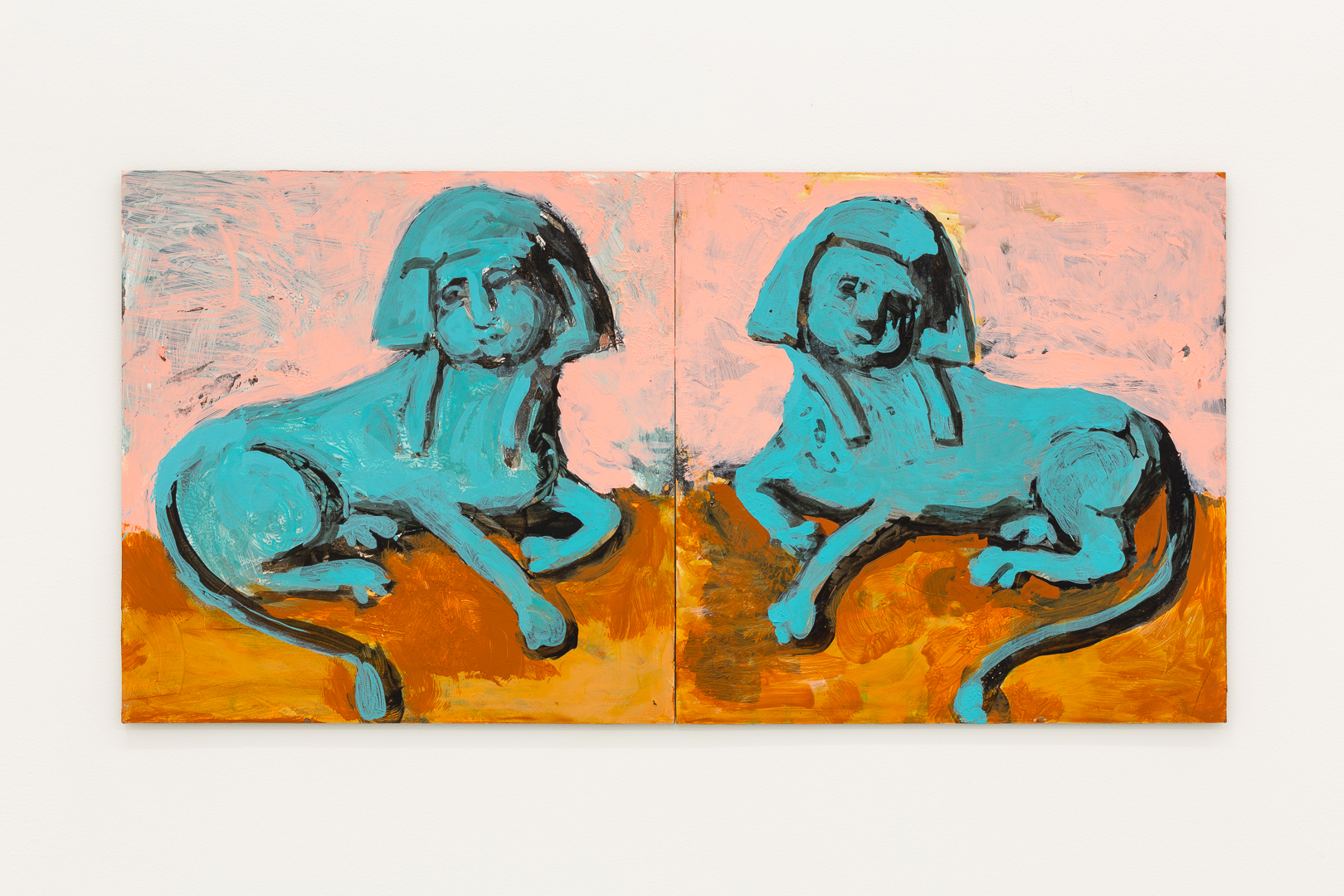
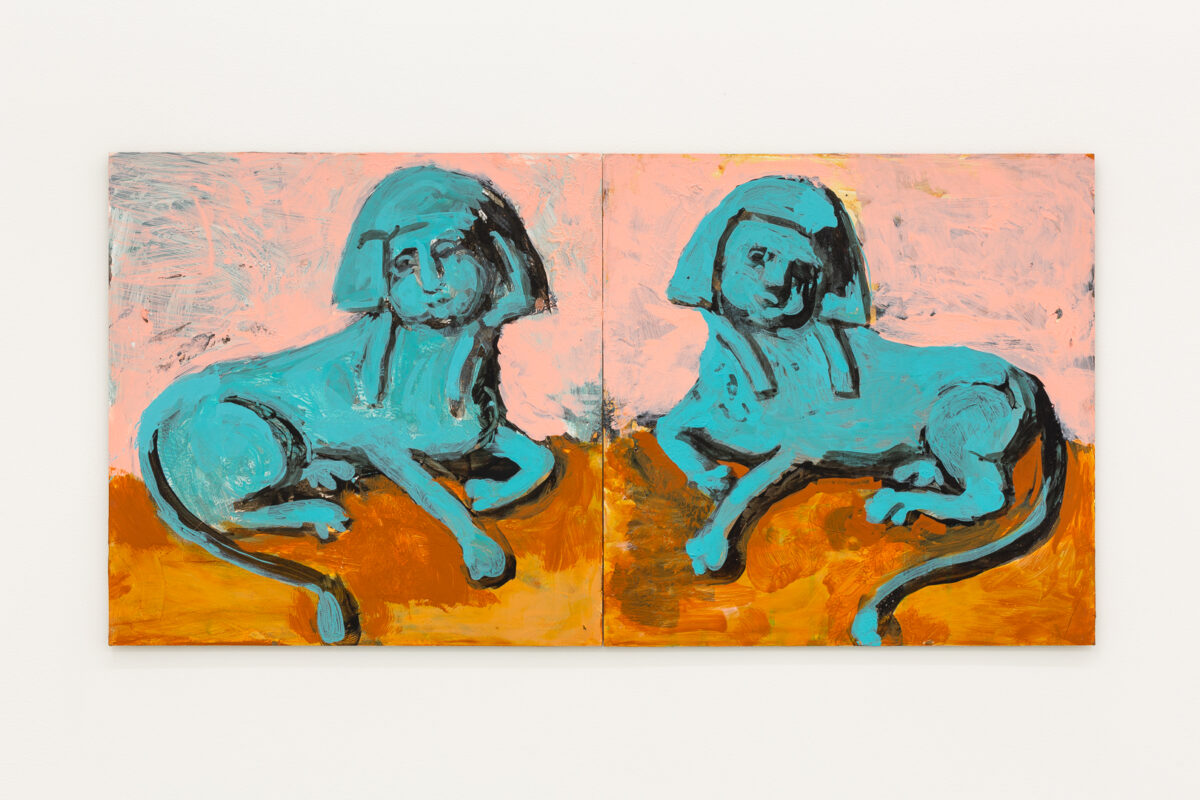
Putto Sphinxes (pair)
2021
acrylic and ink on canvas board
2 panels; overall 30.5 x 61.0 cm
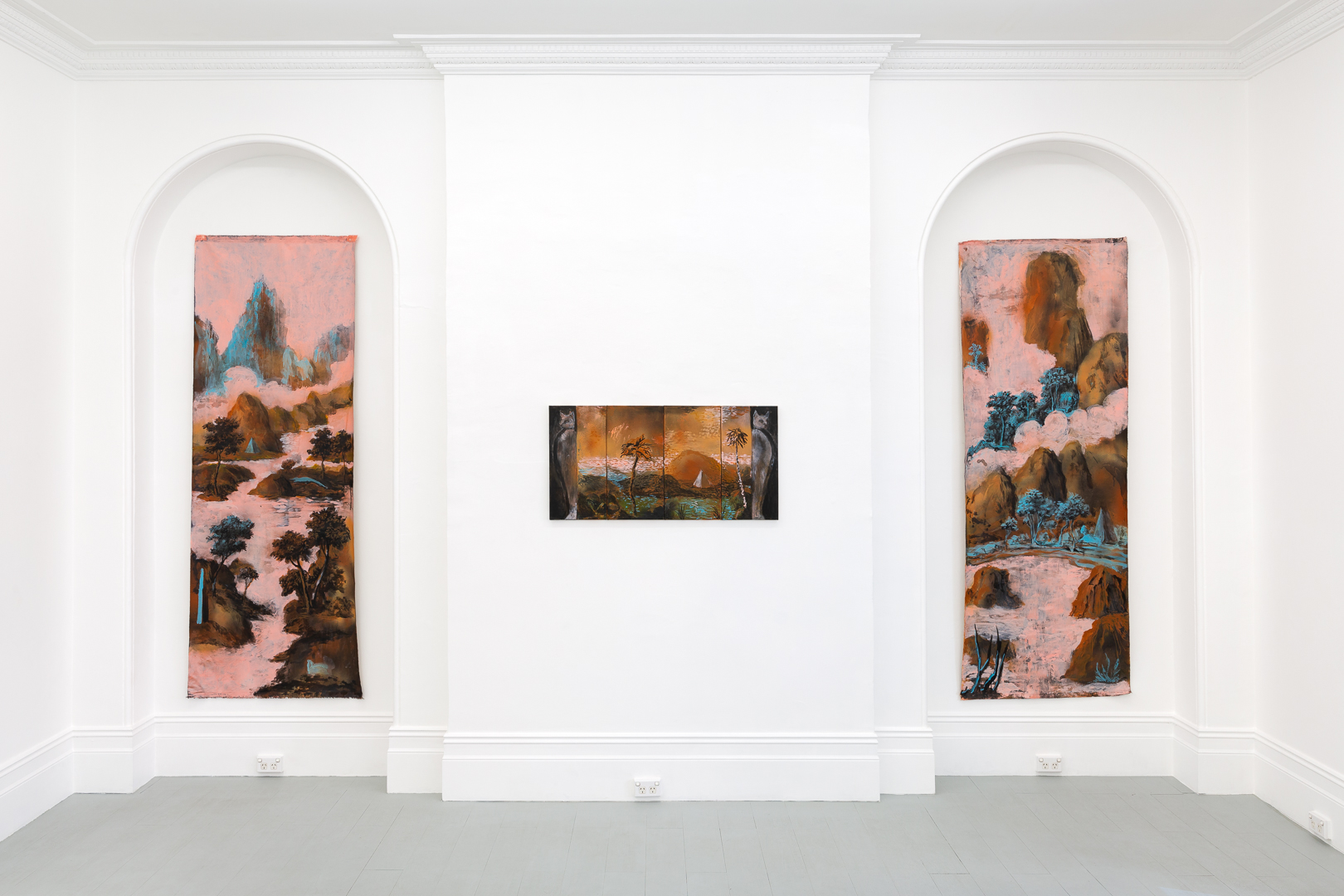
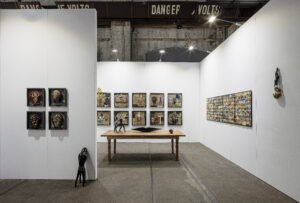
Nilotic
2021
installation view
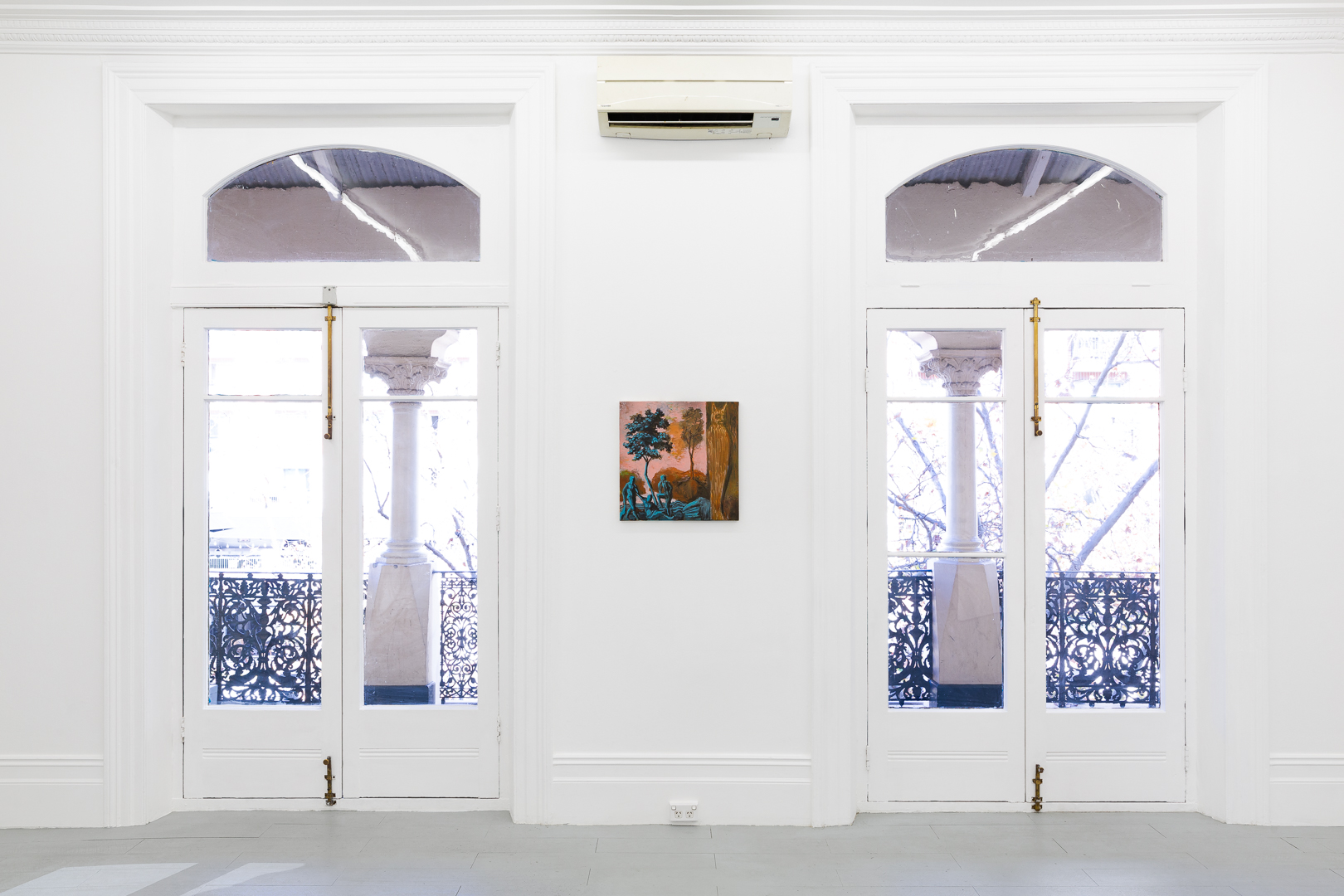
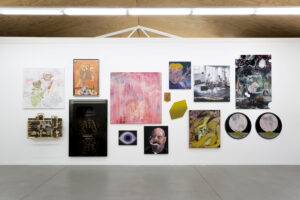
Nilotic
2021
installation view
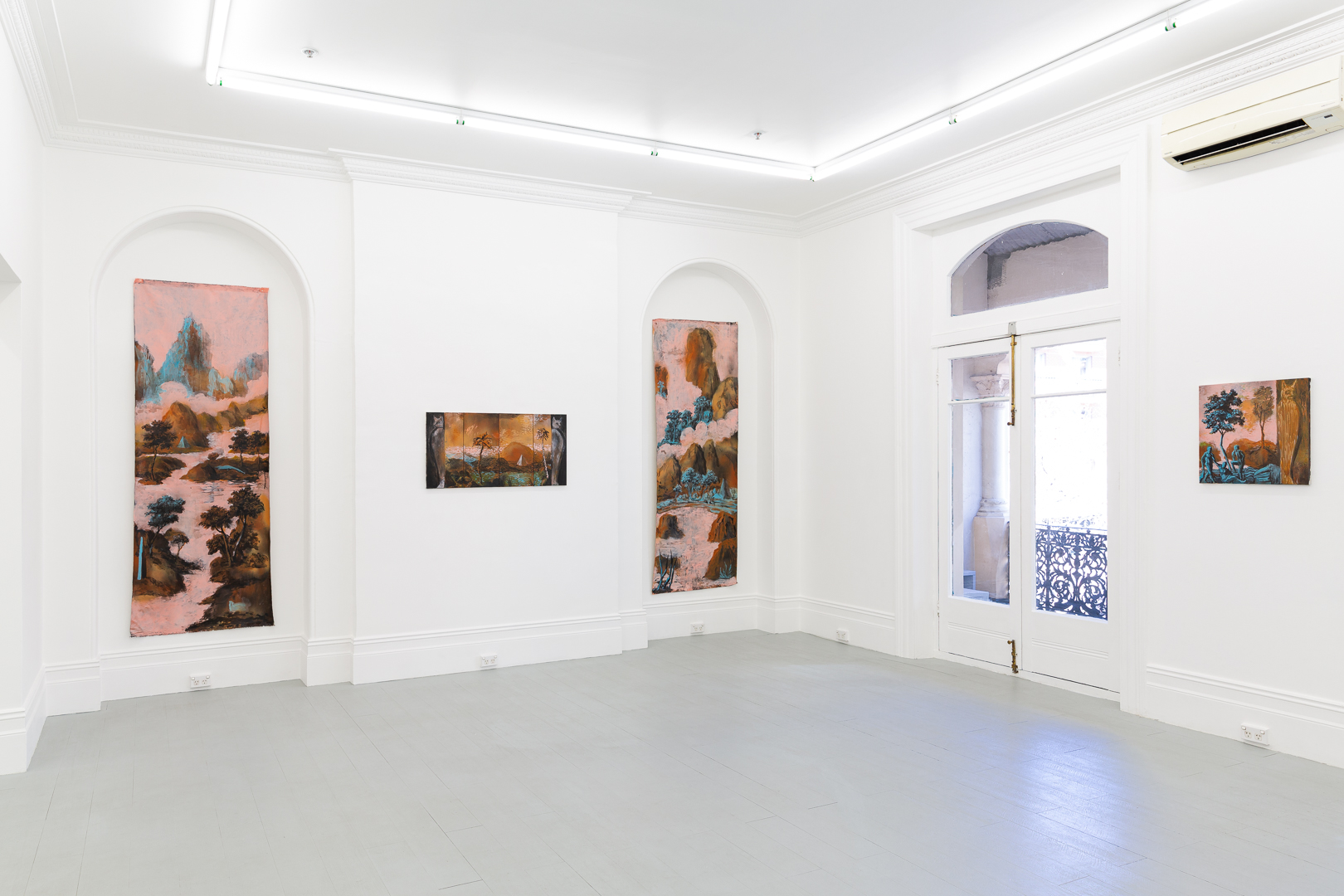
Nilotic
2021
installation view
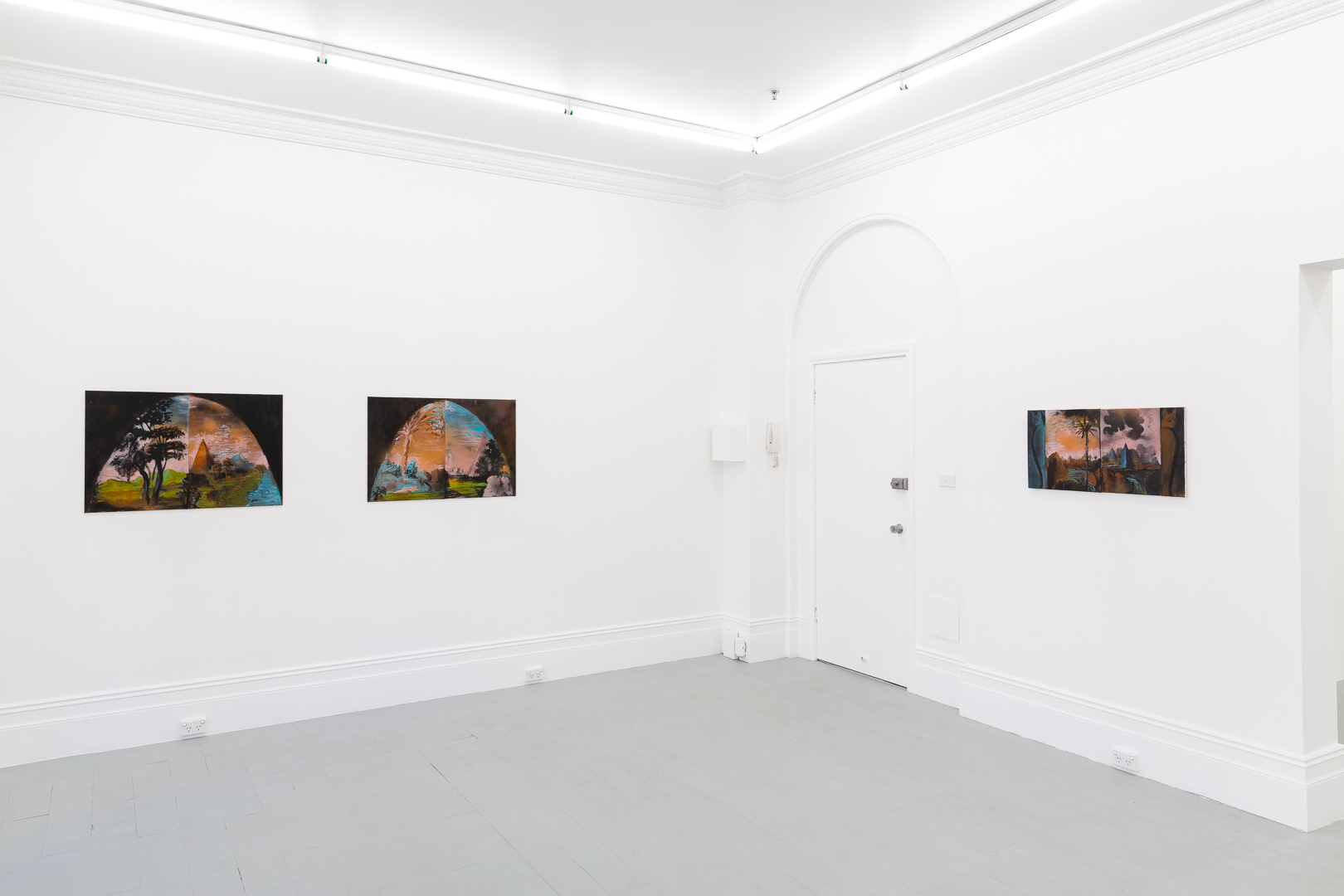
Nilotic
2021
installation view
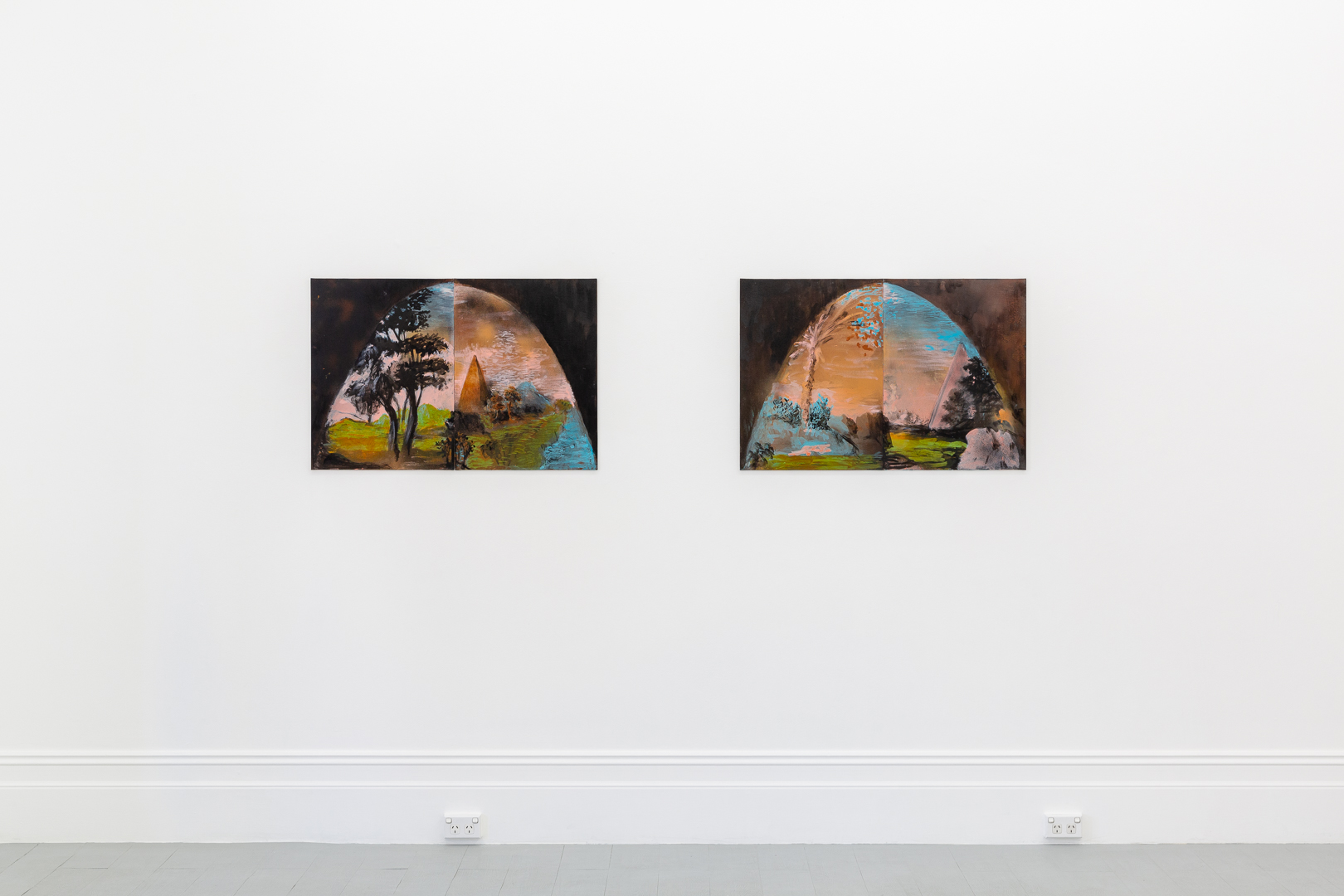
Nilotic
2021
installation view
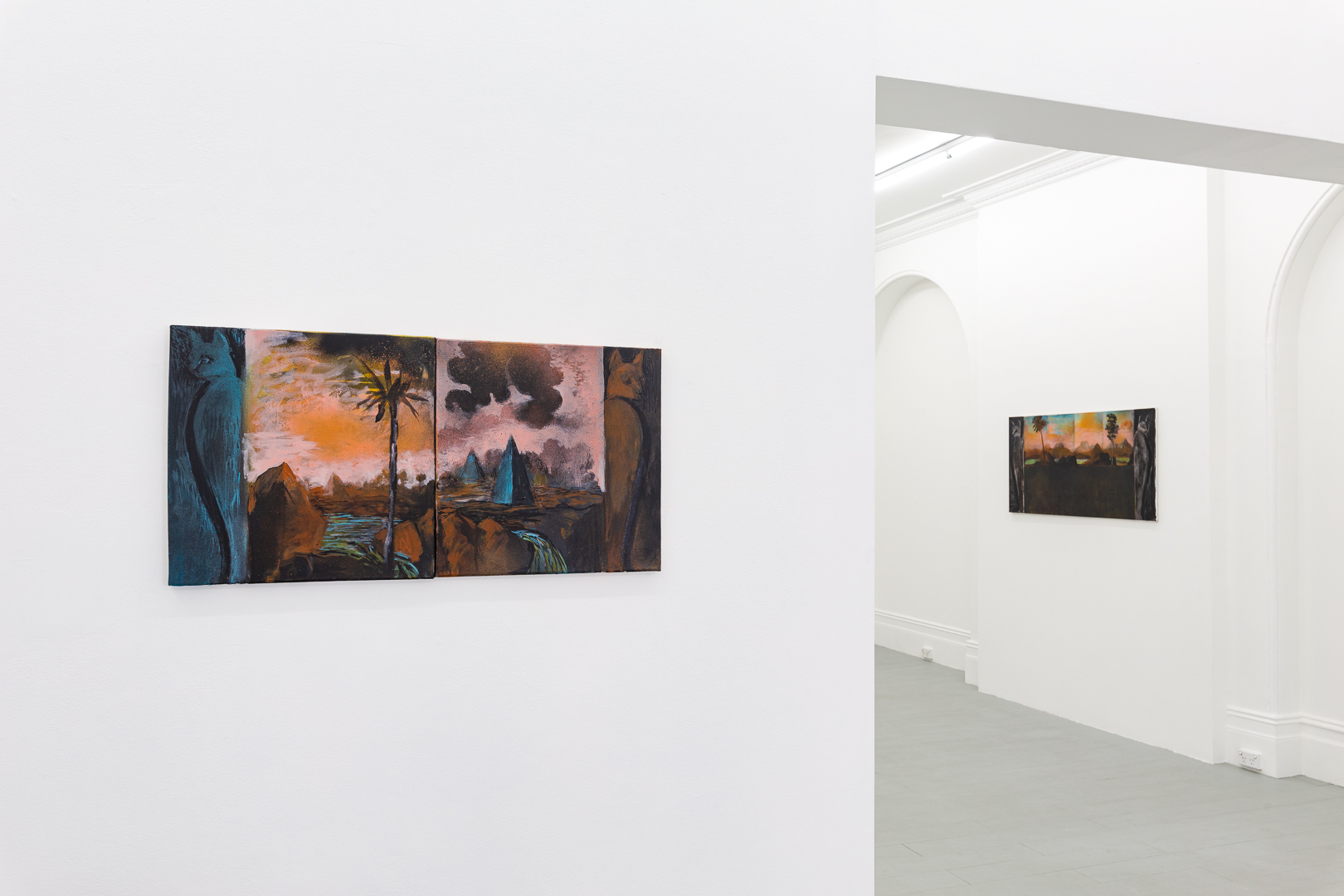
Nilotic
2021
installation view
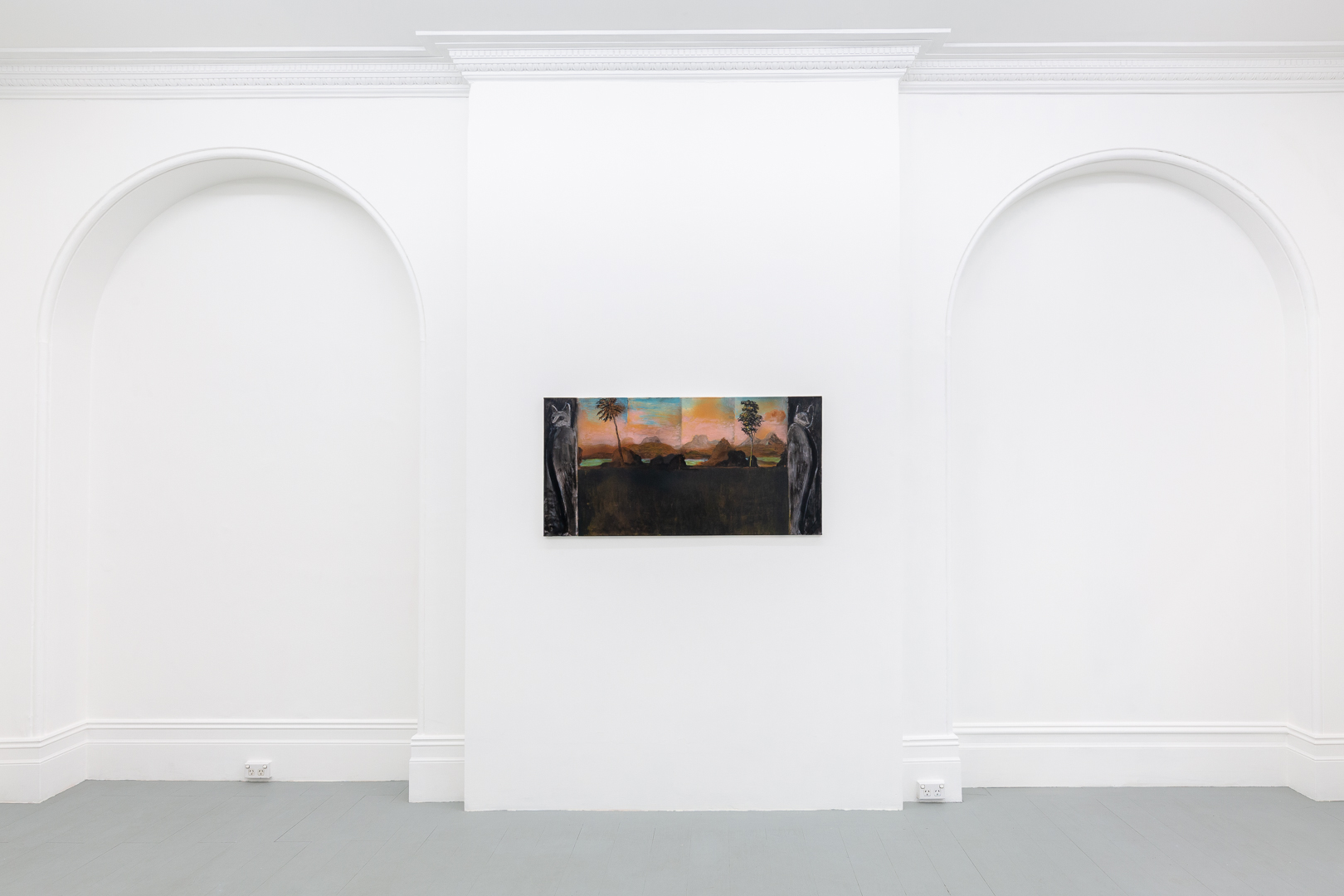
Nilotic
2021
installation view
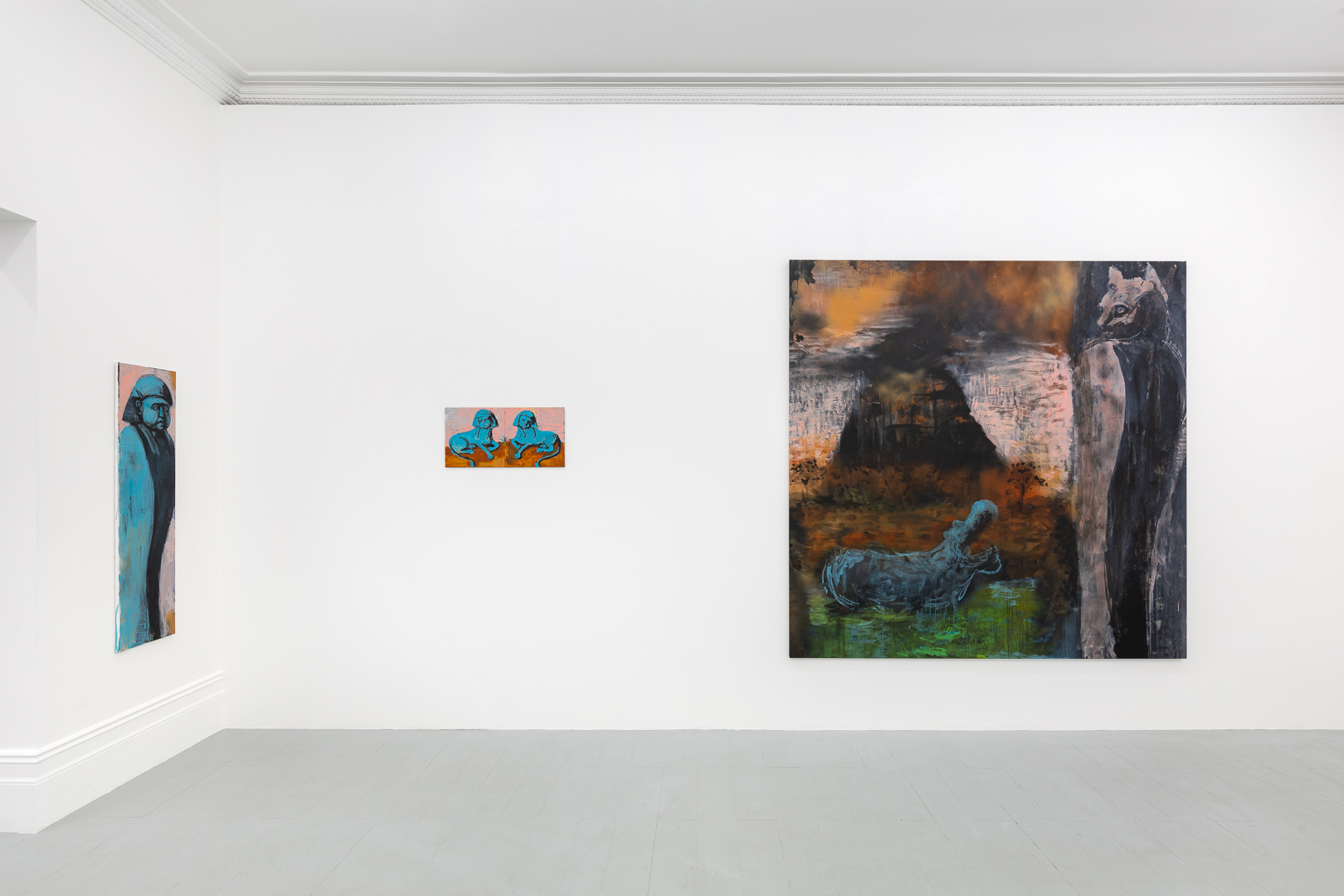
Nilotic
2021
installation view
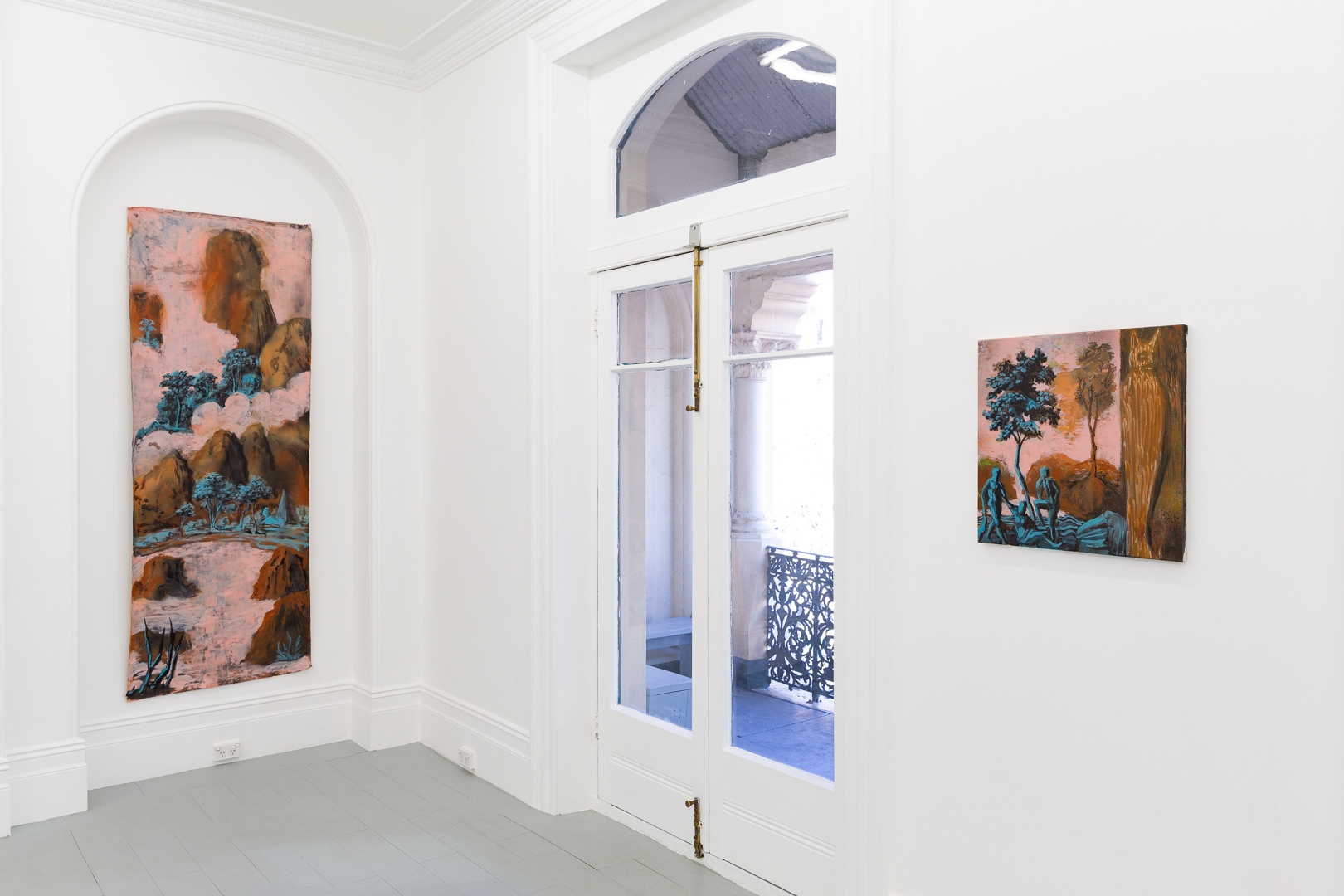
Nilotic
2021
installation view
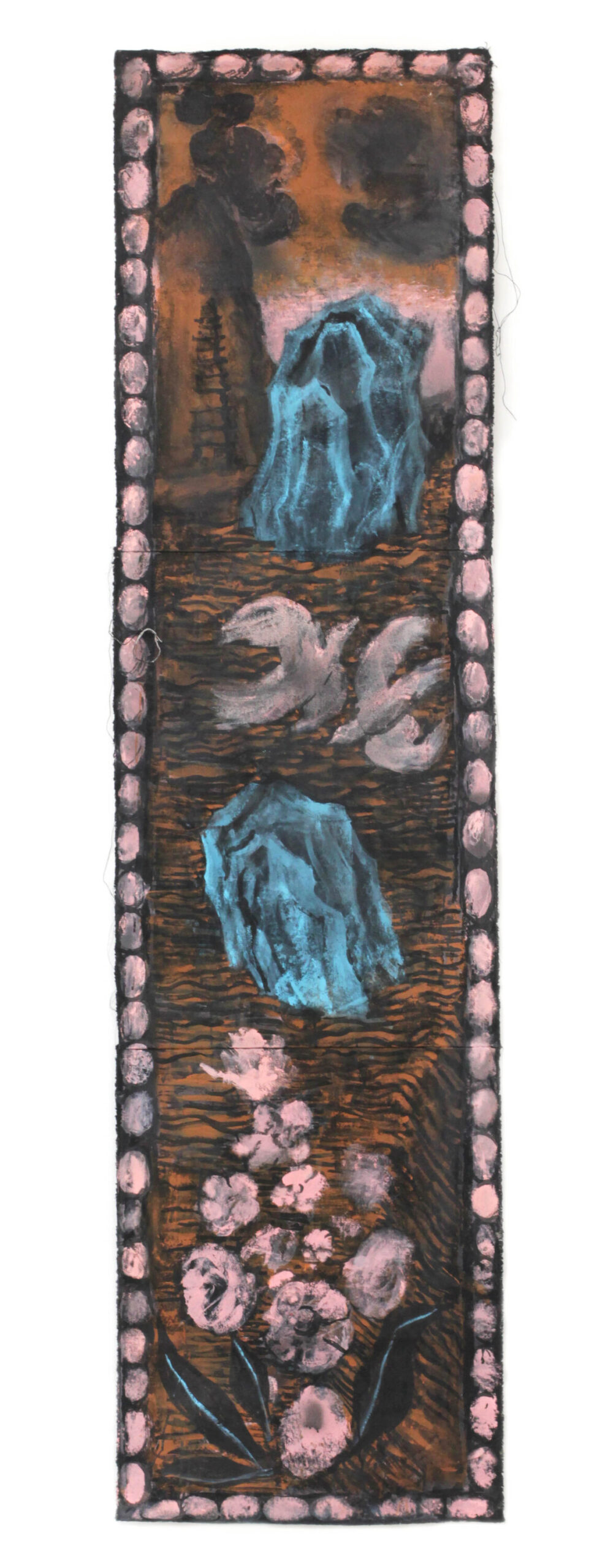
Modello for a Chinoiserie Textile
2018
acrylic and ink on canvas
240.0 x 60.0 cm

Naarm / Melbourne
9 Ellis Street
South Yarra, Victoria 3141
Australia
+61 3 9826 2470
Gadigal / Sydney
91 Campbell Street
Surry Hills, New South Wales 2010
Australia
+61 2 9055 4688